easy to know
What are The Primary applications For Anti-slip Socks?
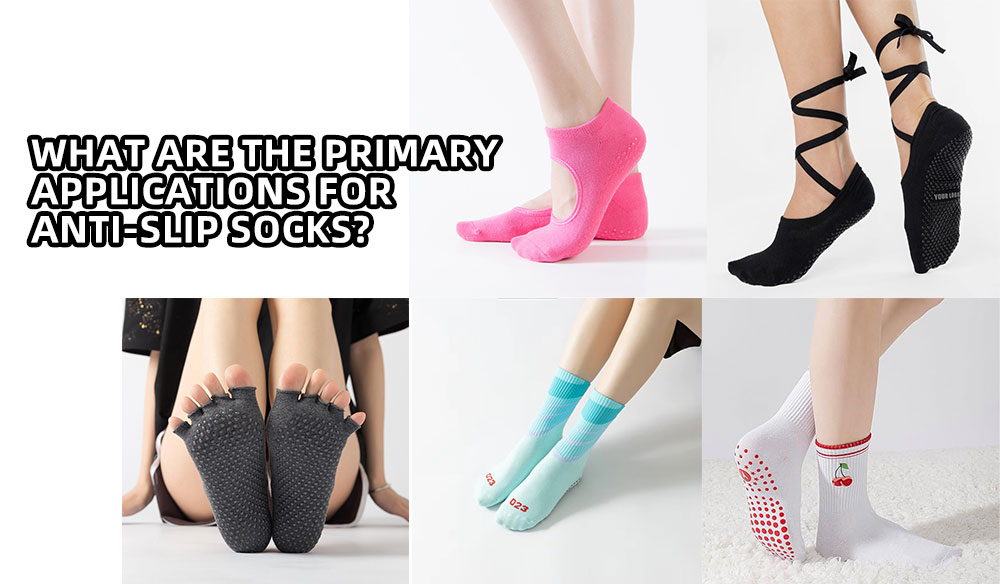
Any place where you walk barefoot on smooth, hard surfaces and require slip resistance, warmth, or hygiene is where anti-slip socks come into play.
Content Quick View
1. Home Living
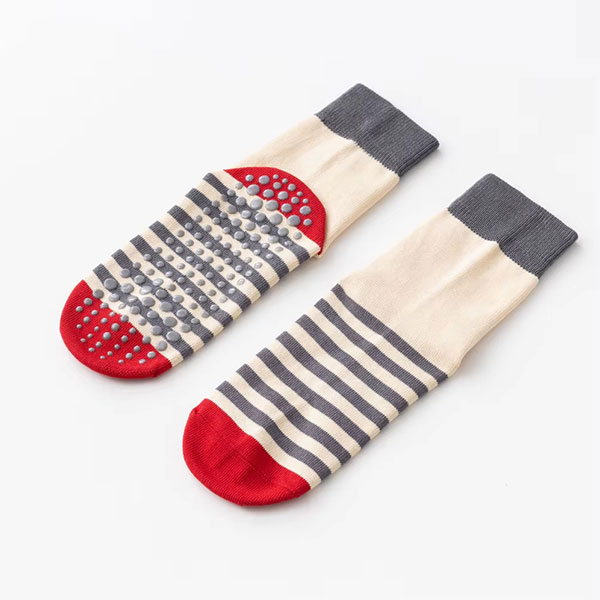
This is the primary and most widespread application for anti-slip socks, making them especially suitable for households with elderly individuals, children, and pregnant women.
- Protecting Seniors from Falls: With fragile bones, a single fall can have serious consequences for the elderly. Anti-slip socks significantly reduce the risk of slipping on smooth tile or wood floors.
- Ensuring Toddler Safety: During the wobbly walking phase, anti-slip socks keep little feet warm while providing ample traction to prevent slipping. They offer greater flexibility than shoes and support healthy foot development.
- Safety for Pregnant Women: Pregnant women experience unstable centers of gravity. Anti-slip socks offer extra security, making home activities safer.
- General Household Slip Prevention: Anyone moving on freshly mopped floors or in slippery areas like bathrooms and kitchens can effectively prevent accidents by wearing anti-slip socks.
- Replacement for Slippers: More secure on the feet than traditional slippers, allowing freer movement and better warmth retention.
2. Exercise and Fitness
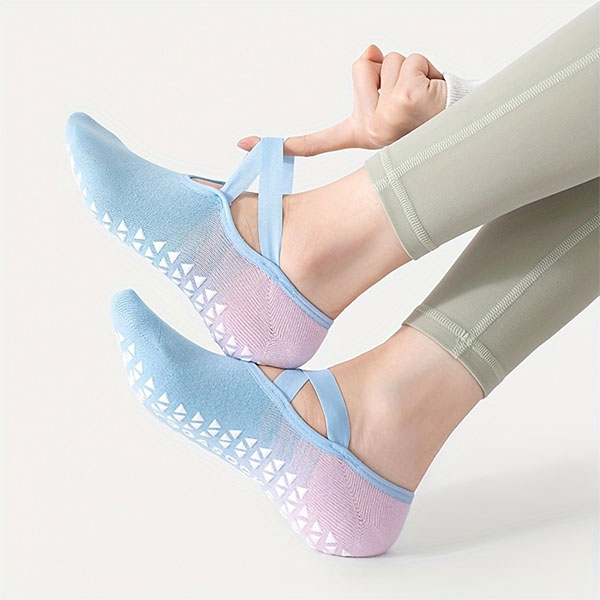
These anti-slip socks are typically designed with greater professionalism, sometimes distinguishing between left and right feet and incorporating features such as arch support.
- Yoga: This is a crucial application for non-slip socks. Yoga socks (mostly in the form of toe socks) help practitioners firmly grip the yoga mat during various poses, preventing hands and feet from slipping due to sweat. This enhances stability and precision in movements while also promoting hygiene.
- Pilates: Similar to yoga, Pilates requires a stable core and precise movements. Anti-slip socks provide the necessary traction.
- Ballet/Dance Training: Some dance studios or dancers use specialized dance anti-slip socks. These protect the feet while enabling essential gliding and turning movements on the floor.
- Gym Strength Training: During exercises like deadlifts and squats, stable lower body positioning is crucial. Anti-slip socks offer a barefoot-like grip while avoiding direct contact with potentially unclean surfaces.
- Trampoline Park:Mandatory use of non-slip socks to prevent slipping or falling on the trampoline surface.
3. Medical Care and Rehabilitation
- Hospital: For patients with weakened physical condition, wearing anti-slip socks is an important safety measure to prevent falls in patient rooms or hallways.
- Operating Room/Examination Room:Healthcare workers wear non-slip socks to avoid wearing outdoor shoes in sterile environments.
- Rehabilitation Center: Individuals undergoing rehabilitation training have heightened requirements for balance and stability, making anti-slip socks an essential assistive tool.
- Nursing Home: Following the same principle as home safety measures for the elderly, anti-slip socks are a standard safety provision.
4. Specific places
- Healthcare Industry: Medical professionals such as doctors and nurses often need to move quickly over smooth, clean surfaces for extended periods. Anti-slip socks (typically worn as shoe covers or inner socks) provide added safety and comfort.
- Service Industry: Establishments like Japanese restaurants, tea houses, and spas that require guests to remove shoes often provide anti-slip socks for staff. This practice reflects etiquette while ensuring workplace safety.
- Work Environments Requiring Bare Feet or Socks: Examples include cleanrooms, laboratories, or specific art studios.
- Hotel Accommodations: For hygiene reasons, many guests bring their own or use hotel-provided non-slip socks when moving around their rooms to avoid direct contact with carpets or floors.
- Long-Distance Travel: When removing shoes for rest on planes or trains, switching to these socks offers comfort and courtesy.
- Indoor Playground:In areas such as ball pits and climbing frames, non-slip socks are required for entry.
Summary
The core value of anti-slip socks lies in “addressing the risk of falls caused by slippery surfaces through anti-slip design.” They prove effective whenever situations involving “barefoot/light footwear activities + slippery surfaces” arise.
DIY SOCK offers comprehensive customization services, covering material selection, production processes, design solutions, and overall coordination. We have a professional team that can provide you with customized solutions. We support orders starting from one pair of samples. If you need Custom Anti-slip Socks, please contact us for a quote and free design services.