easy to know
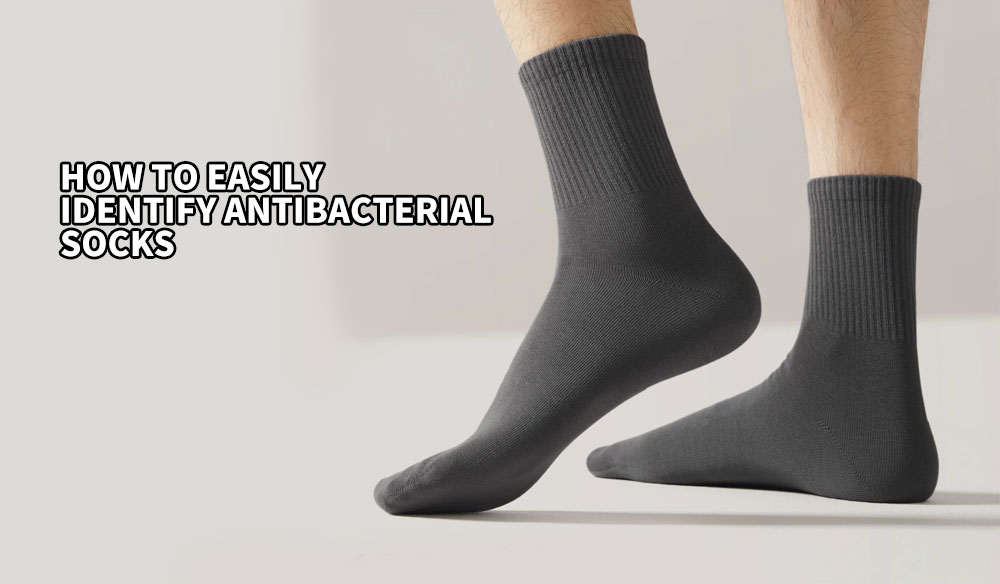
How to Easily Identify Antibacterial Socks
The key to distinguishing antibacterial socks from regular socks lies in examining the explicit antibacterial standards, levels, and number of washes they can withstand.
Content Quick View
Easily Identify Antibacterial Socks
High-quality antibacterial socks typically carry explicit industry standard certifications and antibacterial ratings, whereas ordinary socks do not.
Chinese standard in Antibacterial Socks
| Core Indicator | Premium Antibacterial Socks | Regular Socks |
|---|---|---|
| Implementation Standard | Clearly states compliance with industry standards such as FZ/T 73023-2006 “Antibacterial Knitted Products.” | No functional standards specified. |
| Antibacterial Rating | Clearly graded as Class A, AA, or AAA. Higher ratings indicate stricter requirements (e.g., AAA requires effectiveness after 50 washes and testing against 3 types of bacteria). | No rating system. |
| Wash Durability | Specifies the number of washes the antibacterial effect lasts (e.g., effective for up to 50 washes), a key indicator of longevity. | No such claim. |
| Tested Microorganisms | Lists specific bacteria targeted (e.g., Staphylococcus aureus, Escherichia coli, Candida albicans). | No specific information provided. |
| Safety Compliance | Reputable products state compliance with safety standards such as GB/T 31713-2015 “Hygienic Requirements for Safety of Antibacterial Textiles,” ensuring no harm to health. | Not applicable. |
Simple Self-Test Method
- Odor Observation Method: When purchasing new socks, if they claim to be antibacterial yet still emit a pungent chemical odor, exercise caution. This may indicate excessive chemical residue.
- Wash-Resistance Observation Method: Note whether the fabric texture deteriorates rapidly or develops severe pilling after repeated washing (e.g., 20-30 cycles). If the base durability is poor, the claimed “wash-resistant antibacterial” effect may also be difficult to guarantee.
- Wear Comparison Test (Most Authentic Verification)
- Procedure: Wear antibacterial socks on the left foot and regular socks on the right foot. Wear them continuously for 8–12 hours under identical conditions.
- Premium Antibacterial Socks: Keep feet dry with minimal odor
- Regular socks: Feet feel damp, noticeable odor
Purchase and Usage Recommendations
- First, check the label and don’t blindly trust marketing claims: When purchasing, prioritize whether the product label or detail page specifies the execution standards, antibacterial level, and number of washes indicated in the table above. If a seller only promotes “odor resistance” without providing these standard details, it’s advisable to approach the claim with skepticism.
- Understanding the limitations of “antimicrobial”: Maintain reasonable expectations—antimicrobial socks primarily inhibit specific bacteria and should not be equated with complete odor prevention.
- Safety and Maintenance: Avoid selecting antimicrobial textiles for infants and toddlers under 3 years of age. Regardless of whether socks have antimicrobial properties, they should be washed promptly and replaced regularly to maintain hygiene.
Summary
High-quality antibacterial socks will clearly indicate their antibacterial rating (e.g., AAA-grade, 10A-grade), compliance standards (e.g., FZ/T 73023-2006), and CMA/CNAS-certified test reports containing data such as bacterial inhibition rate and wash durability. Ordinary socks lack such labeling.