easy to know
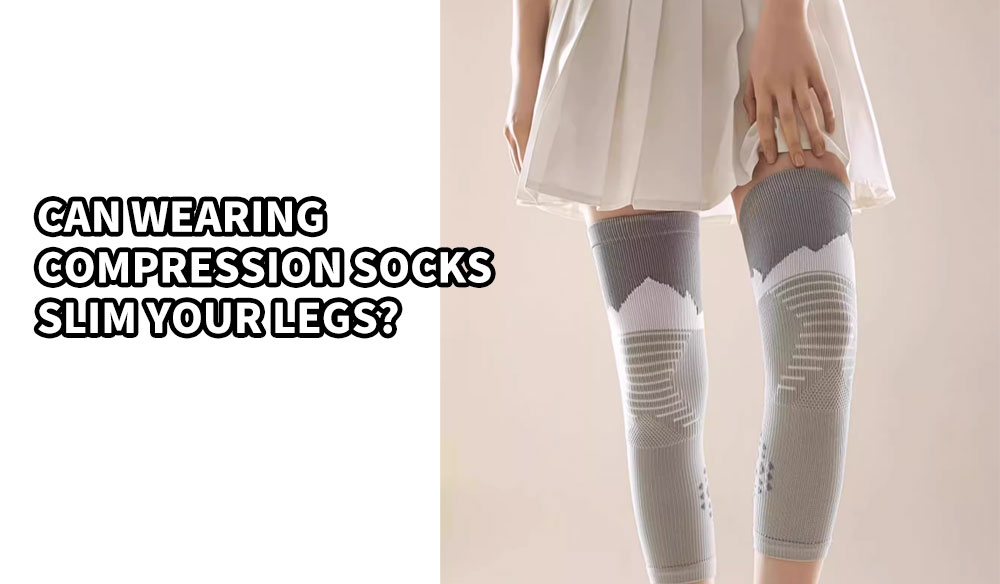
Can Wearing Compression Socks Slim Your Legs?
Direct answer: Wearing compression socks (or varicose vein stockings) cannot truly “slim your legs,” meaning they cannot reduce fat or muscle in your legs.
Their primary function is to improve blood circulation and eliminate or reduce swelling, thereby making your legs appear slimmer.
Content Quick View
The essence of compression socks' “visual leg slimming” effect is temporary enhancement.
- Compression socks temporarily reduce swelling for a slimmer appearance: Featuring graduated compression, these stockings promote venous and lymphatic drainage in the legs, alleviating edema caused by prolonged sitting or standing. Once the swelling subsides, legs may appear temporarily slimmer. However, this effect stems solely from the removal of excess fluid—not from reduced fat or muscle. Swelling may reappear once the stockings are removed.
- Tightly wrapped, visually slimming: The snug fabric of compression socks creates a physical wrap around the skin and soft tissues of the legs, visually compressing the leg contours to temporarily create a more streamlined appearance. However, this is merely an external “enhancement” and does not alter the actual dimensions of the legs.
Compression socks cannot achieve true leg slimming.
- Does not reduce fat: The core principle for reducing leg fat is achieving a “calorie deficit” (expenditure > intake), which requires a combination of dietary control and exercise. Compression socks do not increase calorie expenditure nor break down fat cells, and therefore cannot fundamentally reduce leg fat.
- Does not alter muscle dimensions: For muscular calves, the physical compression of compression socks cannot cause muscles to atrophy or shrink. Instead, by promoting blood circulation, they may aid muscle recovery after exercise and prevent excessive swelling. However, this has nothing to do with “slimming the legs” (reducing muscle mass).
The True Purpose of Compression Sockss
- Prevent and alleviate lower limb edema: Ideal for office workers who sit for extended periods, professionals who stand for long hours (such as teachers and nurses), or travelers on long journeys, reducing leg soreness and swelling.
- Helps alleviate varicose veins: Gradient compression aids venous blood return, relieving the heavy, aching sensation in the legs of varicose vein sufferers and slowing disease progression (medical-grade compression stockings should be selected under a doctor’s guidance).
- Sports Support and Recovery: Wearing during exercise provides muscle support to reduce injury from excessive movement; wearing after exercise accelerates blood circulation, aids in the removal of metabolic waste, and alleviates muscle soreness and swelling.
When will wearing compression stockings make your legs feel “thinner”?
- After prolonged standing or sitting: Legs tend to swell from blood pooling. Wearing compression socks can prevent and alleviate this condition. When you take them off after work, your legs won’t be as swollen as usual, making them feel slimmer.
- After exercise: Some people wear compression pants/socks during workouts, which helps reduce muscle vibration and promote blood circulation, potentially alleviating post-exercise muscle soreness and swelling.
- For individuals with a tendency toward varicose veins: Compression stockings serve as a medical intervention for those with venous insufficiency, significantly alleviating leg swelling, pain, and edema.
What does it take to truly slim your legs (reduce leg circumference)?
1.Fat Reduction (for Thick Thighs):
- Whole-Body Fat Loss: There is no such thing as “spot reduction.” To slim your legs, you must first achieve overall body fat loss.
- Aerobic Exercise: Activities like running, swimming, jumping rope, and brisk walking are effective ways to burn fat
- Calorie Deficit: Control your diet to ensure you burn more calories than you consume.
2.Shaping (for muscular or flabby legs):
- Stretching and Massage: Thoroughly stretching leg muscles (such as calves and thighs) after exercise can create longer, softer muscle lines rather than bulky ones.
- Proper Strength Training: Incorporate targeted leg strength exercises (like squats and lunges), but pay attention to set and rep arrangements. Pairing these with stretching can make leg muscles firmer and appear slimmer. Many worry about developing bulky legs, but women actually find it very difficult to build significant muscle mass. Moderate strength training will only enhance your leg contours.
- Posture Correction: Issues like knee hyperextension can cause calf muscle tension. Improving your posture can help refine your leg shape.
Summary
- Compression socks: A medical aid primarily used to improve circulation and reduce swelling. They can help your legs “return to normal” if they’ve become thicker due to edema, but they cannot alter the amount of fat or muscle.
- Achieving truly slimmer legs requires a combination of “balanced nutrition + aerobic exercise + strength training.”