easy to know
Best socks for people with sensitive skin
For individuals with sensitive skin, selecting the right sock material is crucial. Improper materials can cause friction, lack of breathability, or chemical residues that may trigger or worsen allergic reactions such as itching, rashes, or eczema.
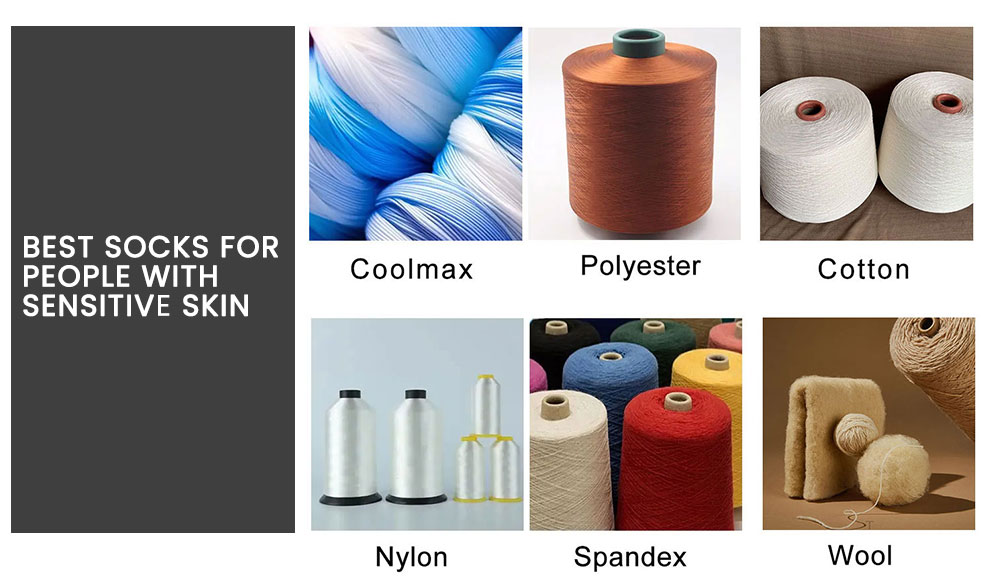
Content Quick View
Top Recommended Sock Materials
1.Cotton material socks
- Advantages: Natural fibers offer excellent breathability and moisture absorption, quickly wicking away foot sweat and dissipating it to keep feet dry. They cause minimal skin irritation, making them a safe choice for most people.
- Tips:
- Choose socks with a cotton content of 75% or higher. Note that “cotton socks” does not necessarily mean “pure cotton”—they may contain a significant amount of synthetic fibers.
- Choose 100% organic cotton and GOTS-certified products, avoiding elastic fibers such as spandex and latex.
2.Bamboo Viscose socks
- Advantages:Naturally antibacterial, moisture-wicking, soft and silky smooth—perfect for sweaty feet and sensitive skin.
3.Linen material socks
- Naturally antibacterial and highly breathable, ideal for summer or those with extreme sensitivity to synthetic fibers.
4.Modal material socks
- This regenerated cellulose fiber, derived from wood pulp, offers a silky-smooth feel and boasts moisture absorption and breathability that surpass even cotton. It is exceptionally skin-friendly, resists bacterial growth, and is gentle on sensitive skin.
Sock materials to avoid:
- Latex, Spandex, rubber elastic fibers: Commonly found in the elastic cuffs of socks, these are frequent contact allergens.
- Chemical dyes, formaldehyde, bleaching agents, and other processing agents: May cause contact dermatitis.
- Traditional coarse wool: Coarser fibers may cause mechanical irritation or itching.
- Fabrics with irritating finishes: Socks containing fragrances, fluorescent agents, or strong dyes may cause discomfort as chemicals can permeate the skin.
A Guide to Selecting and Wearing Clothing for Those with Sensitive Skin
- Reading labels is the top priority: Make it a habit to check ingredient labels before purchasing, and prioritize socks with a high percentage of natural fibers.
- Choose light or natural colors: Dark socks (such as black or navy blue) use more dyes and chemical fixatives, increasing the risk of allergies. White, light gray, beige, and similar shades are safer options.
- Always wash new socks before wearing them: this removes chemical residues, dust, and excess dye from the manufacturing process.
- Keep your feet dry: Even when wearing breathable socks, promptly replace any that become damp with sweat. If you experience excessive foot perspiration, consider using a foot-specific talcum powder.
Summary
By following the above recommendations, you can significantly reduce skin allergies caused by wearing socks.