easy to know
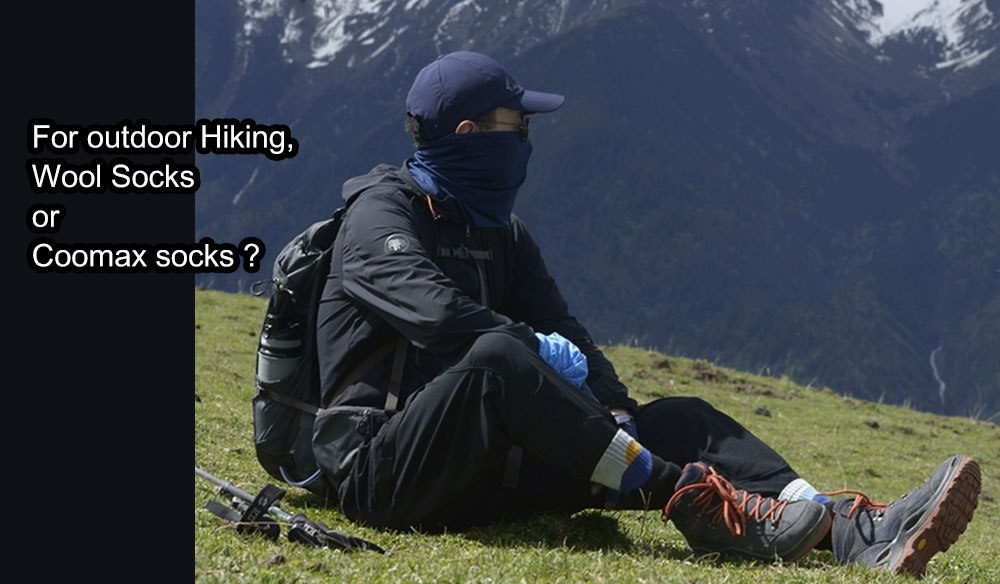
For outdoor Hiking,Wool Socks or Coomax socks ?
When it comes to choosing between wool socks and COOLMAX socks for outdoor hiking, that’s a great question. Each has its own advantages, and the key to choosing depends on the specific hiking environment, your individual foot condition, and even the type of shoes you’re wearing.
Content Quick View
Their main features For those socks
| Feature Comparison | Merino Wool Socks | COOLMAX Socks (Polyester) |
|---|---|---|
| Core Advantages | Excellent temperature regulation, naturally antimicrobial and odor-resistant, retains warmth even when wet | Superior moisture-wicking and quick-drying performance, lightweight, durable |
| Moisture Management | Highly absorbent, but slower to release moisture | Rapidly moves sweat away from skin and quickly evaporates it through fiber structure |
| Ideal Use Cases | Multi-day hikes, cold conditions, long-distance backpacking | Summer day hikes, high-intensity activities with heavy sweating, footwear with good breathability |
| Considerations | May wick sweat slightly slower in very humid or wet conditions | Performance significantly reduced if footwear lacks breathability |
Select according to the situation.
Situations where wool socks are preferred
- During multi-day long-distance hikes or heavy-pack treks, the exceptional antibacterial and odor-resistant properties of wool socks are crucial.
- When hiking in cold environments or mountainous regions with significant day-night temperature fluctuations, wool’s exceptional temperature regulation and ability to retain warmth even when wet provide superior protection.
- If your feet have sensitive skin or are prone to blisters, the soft, fluffy texture of wool fibers provides a more comfortable, snug fit that reduces friction.
Prioritize COOLMAX socks
- During summer day hikes or high-intensity, sweat-inducing fast hikes, COOLMAX’s rapid moisture-wicking capabilities keep your feet dry.
- When worn with highly breathable hiking boots or trail running shoes, COOLMAX forms an efficient “sweat-wicking system” with the footwear.
- From a budget perspective, COOLMAX socks are generally more affordable, making them a suitable choice for beginners or daily training.
Tips For outdoor Hiking socks
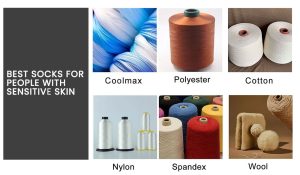
- Avoid buying “pure wool socks” (100% wool lacks elasticity and shrinks easily). Instead, choose blended styles made from “70%-80% merino wool + 20%-30% nylon/spandex” (balancing elasticity and durability).
- Avoid pure cotton socks: Cotton socks take a long time to dry after absorbing sweat. Damp, cold socks draw significant heat away from your feet, not only causing discomfort but also being a primary cause of blisters.
- If you’re only planning to buy one, the “All-Season Hiking” model with 70% merino wool and 25% Coolmax is the most versatile—it handles temperatures from 5°C to 25°C.
Summary
The core requirements for outdoor hiking socks are “blister prevention, temperature regulation, and moisture wicking.” Material is merely a means to an end—combining considerations of weather, intensity, and foot shape is essential for a more comfortable hike.