easy to know
What are diabetic socks?
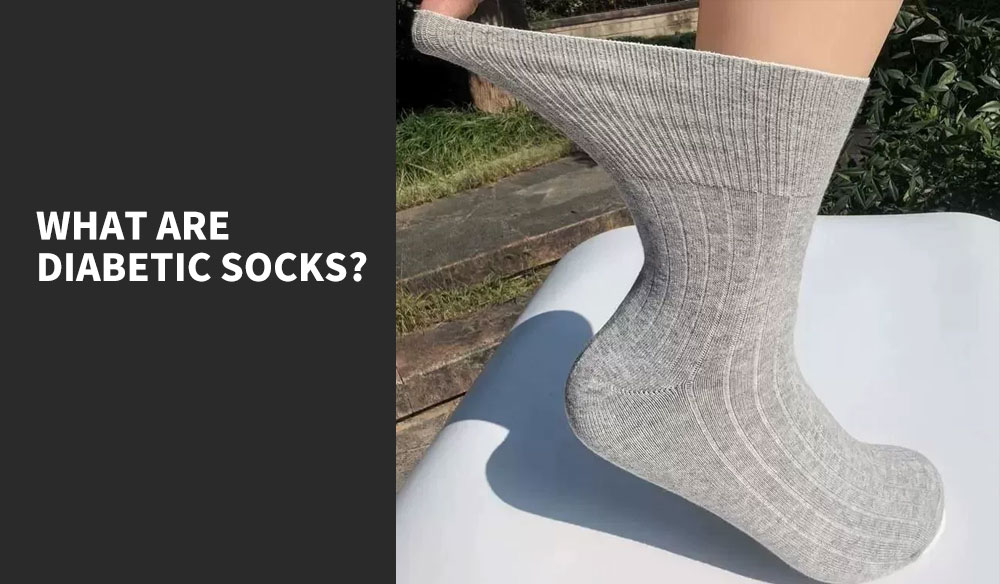
Diabetic socks, commonly referred to as “diabetic-specific socks” or “protective socks,” are medical care socks specifically designed for individuals with diabetes. Their design is not intended for fashion, but rather to prevent foot complications.
Content Quick View
What are diabetic socks?
Diabetic socks (also known as “specialized diabetic socks”) are functional socks specifically designed for individuals with diabetes. They are primarily used to prevent foot complications such as diabetic foot, ulcers, and infections. Compared to regular socks, they exhibit distinct differences in structural design, material selection, and functional characteristics.
Diabetes patients are prone to two serious foot problems due to prolonged high blood sugar levels:
- Peripheral neuropathy: Numbness and dullness in the feet, reduced sensitivity to pain, temperature, pressure, or friction, and potential lack of awareness of injuries.
- Peripheral vascular disease: Impaired blood circulation in the lower limbs leads to severely compromised wound healing capacity. Even a minor blister or abrasion can progress into a difficult-to-heal ulcer, infection, or even gangrene. In the most severe cases, this may necessitate amputation.
Diabetic socks are protective gear designed specifically to address these risks.
The Difference Between Diabetic Socks and Regular Socks
| Feature | Diabetic Socks | Regular Socks |
|---|---|---|
| 1. Seam Construction | Seamless or flat-toe seam: No raised stitching inside the toe area, minimizing friction against toes. | Typically features a prominent seam: A raised seam at the toe can continuously rub against the skin. |
| 2. Material | Moisture-wicking natural/functional fibers: Such as cotton, bamboo, wool, or special antimicrobial fibers. Keeps feet dry and reduces risk of fungal infections. | Mixed composition: Often contains high levels of synthetic fibers like nylon or polyester, offering poor breathability and trapping heat and moisture. |
| 3. Elasticity & Compression | Non-constricting cuff: Wide, gently elasticated top that doesn’t leave marks on the ankle, ensuring unimpeded blood circulation. | Tight elastic cuff: Often uses tight rubber bands that may restrict lower-limb blood flow. |
| 4. Cushioning & Protection | Enhanced cushioning: Extra padding in high-impact and high-friction areas (e.g., sole and heel) for added protection. | Limited cushioning: Designed primarily for comfort rather than medical protection; padding is often inconsistent. |
| 5. Color | Typically light-colored (especially white or beige): Allows easy detection of blood, pus, or signs of skin injury. | Varied colors and patterns: Dark colors can mask wound exudate, making injuries harder to notice. |
| 6. Moisturizing Function | Some include moisturizing agents: Such as lanolin or sheep’s wool extract, helping prevent dry, cracked skin. | Generally lacks moisturizing properties. |
| 7. Antimicrobial & Odor Control | Usually included: Uses technologies like silver-ion fibers to reduce infection risk. | May be present in some athletic socks, but not typically found in standard cotton socks. |
Detailed Analysis of Key Differences
1.Seamless design (one of the most important differences)
- Diabetic Socks: You barely feel the seam at the toe. This is crucial for diabetics with reduced sensation, as even a tiny, persistent friction point can develop into a blister or ulcer within hours.
- Regular socks: Noticeable seams are commonplace. While this may be insignificant for people with normal sensation, it poses a potential hazard for diabetic feet.
2.Non-binding cuff
- Diabetic Socks: The cuff may appear slightly loose, but this is intentional. Diabetic patients often experience lower limb edema and circulatory issues. A tight cuff can act like a tourniquet, further impairing blood flow.
- Regular socks: A snug cuff is often seen as a sign of “staying put,” but this is precisely what diabetic socks should avoid.
3.Material and Moisturizing
- Diabetic Socks: Prioritize maintaining skin health. Dry skin is prone to cracking, creating entry points for bacteria. Therefore, the material should be moisture-wicking while helping to maintain skin hydration.
- Regular socks: Prioritize cost, durability, and appearance, often using synthetic materials that may cause sweaty feet.
4.Protective buffer
- Diabetic Socks: Like a pair of soft “insoles,” they provide even cushioning underfoot to distribute pressure and prevent damage to pressure points caused by prolonged standing or walking.
- Regular socks: Thin cushioning, and the distribution may not be scientifically optimized.
Summary
Simply put, regular socks primarily focus on aesthetics, warmth, and basic comfort; diabetic socks, however, represent a serious medical preventive measure. Every design detail revolves around the concept of “protection”: preventing friction, avoiding pressure points, maintaining dryness, and facilitating easy monitoring.
Advice for People with Diabetes
If you or a family member has diabetes, purchasing a few pairs of specialized diabetic socks is well worth the investment. While they cannot replace daily foot inspections, properly fitting shoes, and professional medical care, they serve as a simple yet effective component of daily care that can significantly reduce the risk of foot complications.