easy to know
How to adjust sock material choices for different seasons?
The primary function of socks is not only to keep feet warm but also to manage moisture. Regardless of the season, our feet sweat. Quality socks quickly wick sweat away from the skin’s surface (moisture-wicking), keeping feet dry. This prevents frostbite in winter and avoids the stuffiness, odor, and fungal growth that occur in summer.
Content Quick View
Summer: Opt for socks with breathable, moisture-wicking, and antibacterial properties to prevent odor.
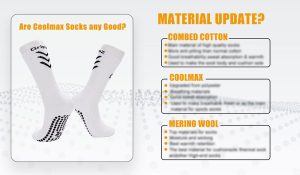
- Preferred cotton socks (combed cotton): Excellent moisture absorption quickly wicks away sweat from the soles, preventing dampness and stickiness, while offering superior breathability.
- Second choice: Modal / Tencel, Lighter and thinner than pure cotton, with superior moisture-wicking and quick-drying properties. Offers a smooth, breathable feel that won’t make your feet feel stuffy, making it ideal for hot and humid weather.
- Coolmax and other synthetic fibers:Specifically designed for sports, featuring superior moisture-wicking and quick-drying performance, ideal for high-intensity workouts or extended outdoor activities.
Things to avoid in summer:
- Pure cotton thick socks: Cotton absorbs moisture but dries slowly. Damp socks rub against your feet, easily causing blisters and creating a moist breeding ground for bacteria. The stuffy feeling associated with “sweaty feet” is often caused by pure cotton socks.
- Avoid pure synthetic fibers (nylon, polyester): They are non-breathable and prone to trapping sweat, leading to damp, stuffy feet and even causing odor.
Summer Sock Material Selection Examples
- Daily Commute: Modal + Cotton + Small Amount of Spandex (for added stretch)
- High-Intensity Sports: Functional Polyester (Coolmax®) + Nylon + Small Amount of Spandex
- Casual/Business: Silk-cotton blend or linen-cotton blend
Winter: Prioritize socks that provide warmth, moisture retention, and keep feet dry.
- Preferred Wool socks(Blend): Exceptional warmth retention locks in foot heat while providing natural moisture absorption to prevent dryness and flaking. The blended fabric reduces any scratchy sensation against the skin.
- Second Choice: Cotton and wool blend, Combining warmth and comfort, perfect for everyday wear.Note that when the cotton content is too high, drying speed is slower, making it unsuitable for extended outdoor activities.
- Fleece-lined cotton socks or terry-cloth socks:Inner fleece lining design provides superior warmth, ideal for extreme cold weather or home wear. Opt for blends containing wool or thermal fibers to maximize warmth efficiency.
Examples of Materials for Winter Socks
- Daily warmth: Merino wool (the higher the content, the better) + a small amount of nylon (for added durability)
- Outdoor Activities/Snow Sports: Thick merino wool socks, or socks made from a blend of merino wool and functional synthetic fibers.
- Indoor wear: Wool-blend socks or thick cotton socks (since indoor sweating is minimal, moisture-wicking performance is not a priority)
Summary
Regardless of the season, keeping socks dry, changing them frequently, and ensuring proper shoe ventilation are key to preventing foot odor and foot ailments. For those prone to excessive sweating, prioritize bamboo fiber or Coolmax materials in summer, while wool-blend socks are recommended for winter. Avoid wearing pure cotton socks alone.