easy to know
Guide to Choosing Summer/Winter Sport Socks
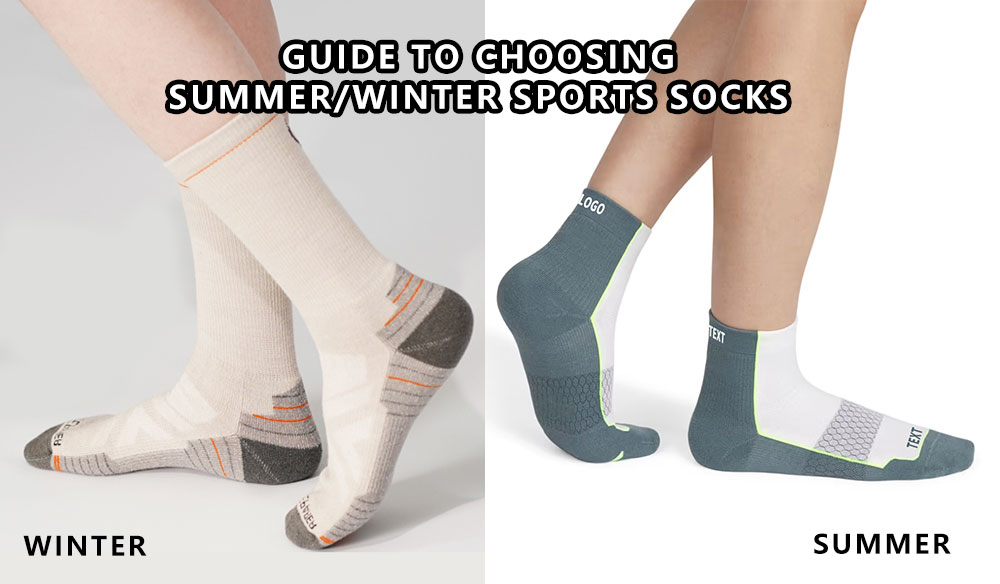
Selecting athletic sport socks requires precise alignment with seasonal climate characteristics: – Summer focuses on “moisture-wicking breathability, abrasion resistance, and anti-sweat” – Winter emphasizes “thermal insulation, moisture-proofing, and frostbite prevention”
Content Quick View
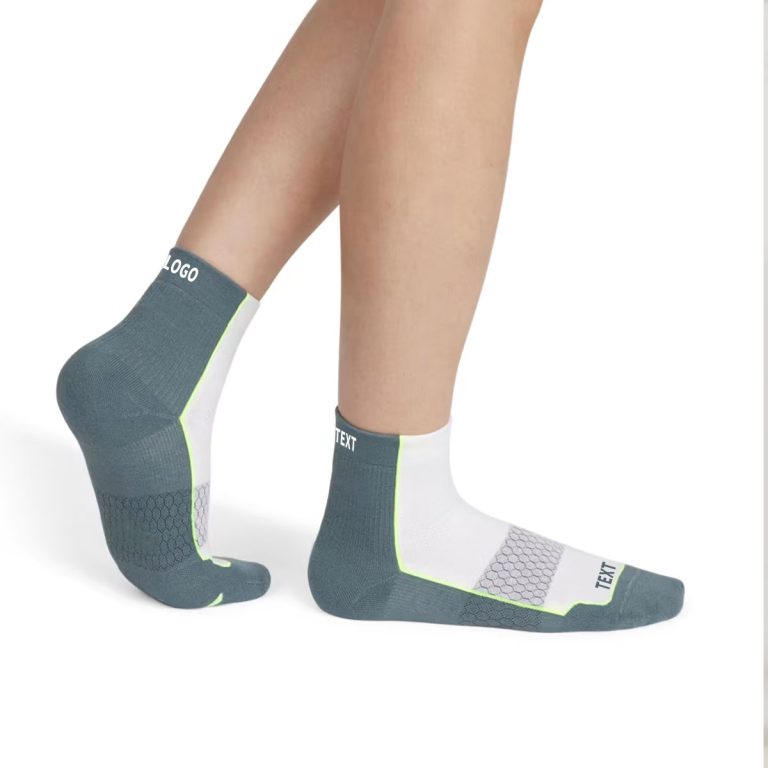
1. Summer Sport Socks: Core Objectives “Stay Dry and Breathable, Reduce Friction Injuries”
During summer sports, feet tend to sweat profusely. A damp environment not only compromises comfort but also increases the risk of blisters, odor, and even fungal infections. The key is to “let your feet breathe and quickly wick away sweat.”
1.First, let’s clarify: The 3 Core Requirements for Choosing Summer Socks
- Quick-drying moisture wicking: Sweat rapidly transfers from skin to the sock surface and evaporates, preventing that sticky feeling;
- Breathable heat dissipation: Wide fabric gaps allow strong airflow, reducing foot temperature;
- Lightweight abrasion resistance: Moderate thickness prevents stuffiness while enhancing durability in high-friction areas (heel, toes).
2.Material Selection: Opt for “Quick-Dry Fabrics” and Steer Clear of Pure Cotton Pitfalls
Material is the “soul” of summer athletic socks. Opt for functional synthetic fibers or natural breathable fibers, and steer clear of pure cotton socks.
| Material Type | Representative Materials / Technologies | Key Advantages | Ideal For / Scenarios |
|---|---|---|---|
| Top Choice: Functional Synthetic Fibers | Polyester (e.g., Coolmax, Powerdry), Nylon (Polyamide) | High Moisture-Wicking Efficiency: Actively transports sweat via “four-channel fiber structure,” evaporating 3x faster than cotton; Durable & Tough: Resists pilling and tearing from repeated friction; Excellent Breathability: Large inter-fiber gaps enable rapid heat dissipation. | Medium to high-intensity activities such as marathons, basketball, cycling |
| Secondary Choice: Natural Breathable Fibers | Bamboo fiber, Linen | Naturally Antibacterial: Bamboo fiber contains “bamboo kun,” reducing bacterial growth and odor; Cool-to-the-Skin Feel: Hollow linen fibers provide a natural cooling sensation; Soft & Skin-Friendly: Smoother and more comfortable against skin than most synthetics. | Low-intensity activities such as walking, yoga, light outdoor use |
| Recommended: Balanced Blends | Polyester + 10%-20% Cotton | Balances Comfort & Quick-Drying: Small amount of cotton enhances softness, while synthetic fibers maintain moisture wicking; Cost-Effective: More affordable than pure performance fibers. | Daily commute, gym workouts, and general fitness training |
3.Key Design: Details Define Comfort
- Knitting Technique: Opt for “mesh structure” (with dense small holes on the sock back and toe area) to further enhance breathability; avoid “tight plain weave” (which traps sweat and lacks ventilation).
- Cuff Design: Prioritize “wide elastic cuffs” that neither constrict circulation nor slip down (ideal for dynamic activities like running or jump rope).
- Reinforced High-Friction Areas: Choose “thickened terry loops” or “3D weave” at heels and toes to reduce friction with shoes during movement and prevent blisters.
- Thickness matching shoe type:
- For running shoes/trainers: Choose “thin/ultra-thin” (0.5-1mm thickness) to prevent bulkiness inside shoes.
- For hiking boots/mountaineering shoes: Opt for “medium-thin” (1-1.5mm thickness) for balanced durability and fit.
4.Contextual Recommendations
| Activity Scenario | Recommended Sock Type | Key Considerations |
|---|---|---|
| Marathon, Long-Distance Running | Coolmax polyester + Reinforced heel & toe + Mesh socks | Maximum moisture wicking and durability; reduces friction-related injuries over long distances |
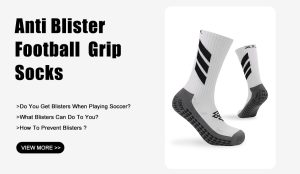
| Basketball, Badminton | Nylon blend + High-elasticity cuff + Non-slip silicone grip sole | Secure fit to prevent sock slippage during dynamic movements |
| Daily Walking, Commuting | Bamboo fiber low-cut/no-show or short socks | Breathable and antibacterial; stays hidden with casual shoes |
| Outdoor Hiking | Polyester + Linen blend + Mid-calf socks | Durable and abrasion-resistant; balances moisture management with light protection |
2. Winter Sport Socks: Core Objective “Lock in Warmth, Reject Damp Cold”
The core challenge in winter sports lies in balancing warmth retention with moisture management—if sweat cannot evaporate, damp socks accelerate heat loss (wet socks conduct heat five times faster than dry ones) and may even cause frostbite. The key is to “lock in warmth while wicking away sweat.”
1. Three Core Considerations for Choosing Winter Socks
- High-efficiency warmth retention: Traps foot heat within the fabric structure to withstand low temperatures;
- Moisture-wicking and breathable: Promptly absorbs and expels sweat generated during activity, preventing “chill from dampness”;
- Snug fit for thermal lock: Socks conform closely to feet and shoes, minimizing cold air ingress while allowing unrestricted movement.
2.Material Selection: Look for fabrics with dual functionality—warmth retention and moisture absorption.
Opt for natural wool (especially merino wool) or warm blended fabrics, and avoid pure acrylic or overly thick cotton socks.
| Material Type | Representative Materials / Technologies | Key Advantages | Ideal For / Scenarios |
|---|---|---|---|
| Top Choice: Merino Wool | Fine Merino wool (17–24 microns) | Natural Insulation: Traps still air within fibers to create a “thermal layer,” retaining up to 70% warmth even when damp; Moisture Absorption & Wicking: Can absorb up to 30% of its weight in moisture without feeling wet; Soft & Non-Irritating: 2–3 times finer than regular wool, eliminating itchiness. | Cold-weather, high-intensity activities such as skiing, mountaineering, winter running |
| Secondary Choice: Fleece Insulation | Polar fleece (inner layer), Coral fleece | Excellent Heat Retention: Air trapped in fluffy fibers provides superior warmth compared to regular fabrics; Soft Touch: Plush inner layer feels comfortable against skin, reducing friction. | Sub-zero activities, snow hiking, winter cycling |
| Recommended: Insulating Blends | Wool + Polyester + Nylon | Best of All Worlds: Wool provides warmth and moisture absorption, polyester enhances wicking, nylon improves durability; Easy Care: Resists shrinking and deformation after washing, unlike pure wool. | Daily jogging, gym workouts, winter commuting |
| Alternative: Modified Acrylic | Thermolite, Heat-Generating Acrylic | Lightweight Warmth: 30% lighter than wool, with comparable thermal performance; Machine Washable: Resists shrinkage and pilling, ideal for low-maintenance care. | Light exercise, indoor fitness |
3.Key Design: Details Enhance Warmth
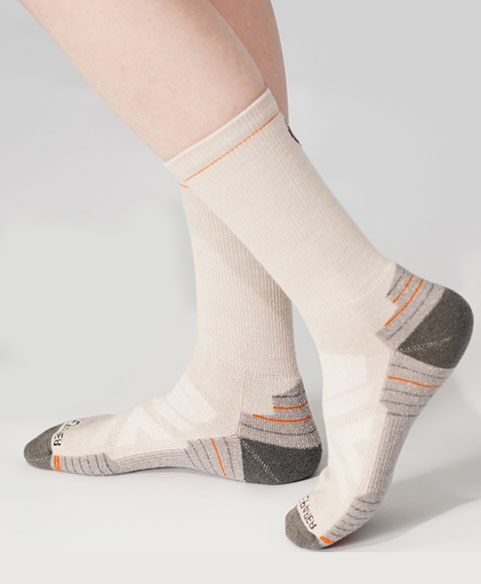
- Sock Length: Prioritize “crew (covering the ankle)” or “long (covering the lower calf)” to prevent cold air from entering through the sock opening (especially during outdoor skiing or hiking, where long socks also prevent snow from entering shoes); avoid “ankle socks/short socks” (exposed ankles are prone to chilling).
- Knit Construction: Opt for “double-layer construction”—inner terry loop (traps heat, skin-friendly) and outer tightly-knit layer (windproof, durable); or “spiral knit” (enhances elasticity, conforms to foot shape).
- Arch Support Design: Loose winter socks allow excessive airflow, accelerating heat loss. Opt for styles with “reinforced elastic arch support” to improve fit and reduce arch fatigue.
- Thickness Matching Temperature:
- 0°C to 10°C: Choose “Thin Merino Wool Socks” or “Wool Blend Socks”;
- -10°C to 0°C: Choose “Medium-Thick Fleece-Lined Wool Socks”;
- Below -10°C: Choose “Double-Layer Fleece Socks” (inner layer thin wool, outer layer fleece).
4.Contextual Recommendations
| Activity Scenario | Recommended Sock Type | Key Considerations |
|---|---|---|
| Skiing, Snow Hiking | Long-cuff Merino wool + Fleece-lined double-layer socks + Non-slip cuff | Maximum warmth, snow and moisture resistance, stays in place without slipping |
| Winter Long-Distance Running | Mid-cuff Merino wool blend socks + Arch compression support | Warm without bulk, fast moisture wicking, reduces fatigue over long distances |
| Gym Training | Thin mid-cuff socks made of modified acrylic | Lightweight warmth, easy care, does not interfere with equipment use |
| Outdoor Mountaineering | Wool + Nylon blend + Reinforced toe + Mid-calf height | Abrasion-resistant, balances warmth and moisture management |
3.Differences in Summer and Winter Sock Selection
| Dimension | Summer Sports Socks | Winter Sports Socks |
|---|---|---|
| Core Needs | Quick-drying, breathable, anti-chafing, lightweight | Warmth retention, heat insulation, moisture absorption, snug fit |
| Preferred Materials | Polyester (Coolmax), Bamboo fiber, Blends | Merino wool, Fleece, Wool blends |
| Materials to Avoid | 100% Cotton socks | Pure acrylic socks, overly thick or non-elastic socks |
| Sock Length | No-show, Short (below ankle) | Mid-calf, Crew (covering ankle / lower leg) |
| Knitting Technique | Mesh structure, lightweight flat knit | Double-layer terry knit, tightly woven wind-resistant fabric |
| Key Details | Wide elastic cuff, reinforced toe & heel | Arch compression support, non-slip cuff, abrasion-resistant outer layer |
DIY SOCK offers comprehensive customization services, covering material selection, production processes, design solutions, and overall coordination. We have a professional team that can provide you with customized solutions. We support orders starting from one pair of samples. If you need Custom Sport Socks, please contact us for a quote and free design services.
4.pro tips
- Sock Fit Guide: – For athletic shoes, choose thin socks. – For hiking boots, opt for medium-thickness socks. – For ski boots, select long-cuff socks. Ensure no extra space between socks and footwear (to prevent slipping).
- Avoid disposable cheap socks: Low-quality socks (like inexpensive synthetic fiber socks) not only offer poor moisture-wicking and insulation but may also irritate skin due to rough fabrics. Prioritize professional athletic socks backed by reputable brands (e.g., Smartwool, CEP, Decathlon Kipsta).
Summary
By following the above guidelines, you can precisely match athletic socks to the season and activity, enhancing your workout experience while reducing the risk of foot injuries.