easy to know
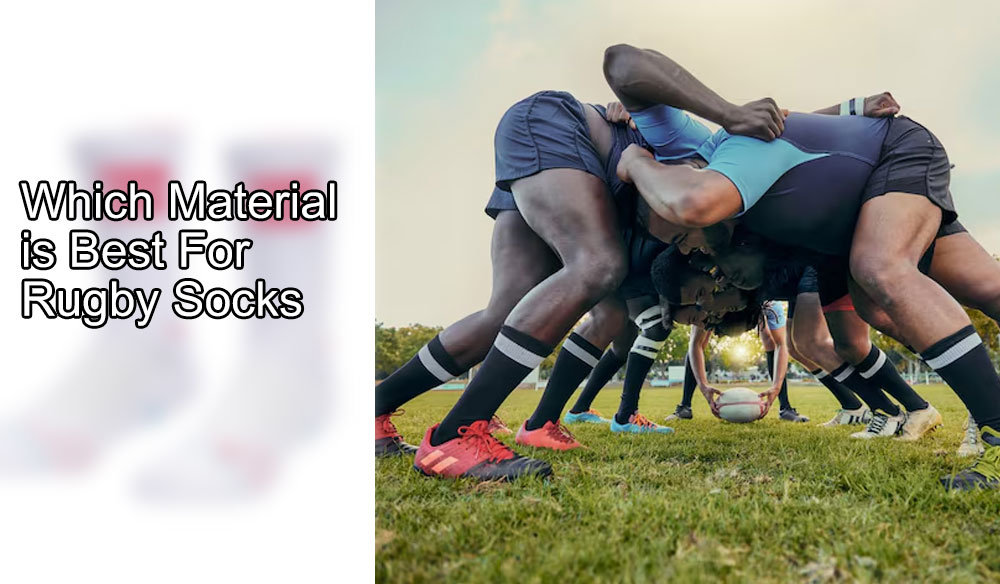
Which Material is Best For Rugby Socks
Good rugby socks need to take into account wear resistance, elasticity, breathability, moisture absorption and wrapping support to cope with the needs of frequent running, jumping, collision and long-term wear during sports. The combination of different materials can maximize these properties.
Content Quick View
1. Recommended materials for rugby Socks
| Material Category | Representative Materials | Core Functions | Notes |
|---|---|---|---|
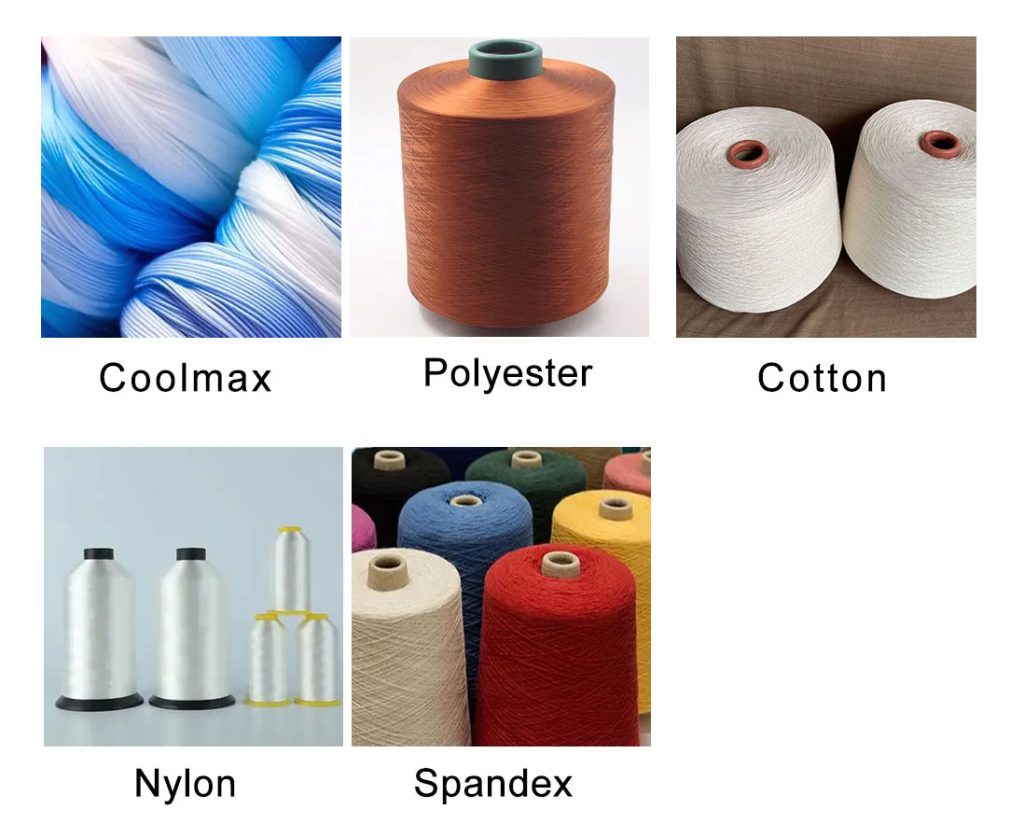
| Wear-Resistant Layer | Nylon (Polyamide), Polyester | 1. Resists shoe friction (prevents holes at cuff, heel, and toe); 2. Enhances sock durability and extends lifespan | Pure nylon/polyester has poor breathability; should be blended with moisture-absorbing fibers to avoid sweaty, stuffy feet |
| Moisture-Wicking Layer | Cotton | 1. Absorbs foot sweat to keep skin dry; 2. Natural materials (cotton) enhance softness and skin comfort | Pure cotton tends to cling when wet and dries slowly; keep cotton content moderate (ideally under 30%) to avoid chilling during physical activity |
| Elastic Support Layer | Spandex (Lycra®) | 1. Provides snug fit at cuff, ankle, and calf (prevents socks from slipping during exercise); 2. Conforms to leg contours without feeling too tight | Too high spandex content may cause tightness (compression); too little reduces elasticity. Proportion must be precisely controlled |
| Functional Enhancement Layer | Bamboo Fiber, Wool | 1. Bamboo fiber: Antibacterial & odor-resistant (reduces odor during prolonged activity); 2. Wool (lightweight): Warmth + moisture absorption (ideal for cold conditions) | Bamboo fiber has lower abrasion resistance; should be blended with nylon. Choose “combed lightweight” wool to avoid bulkiness and maintain movement flexibility |
2.Recommended Blend Ratios for rugby socks (Segmented by Scenarios)
1. General training style (most commonly used, both wear-resistant and comfortable)
- Nylon: 45%-50% → Ensures abrasion resistance at the heel, toe, and cuff to cope with frequent donning and doffing and friction from the shoe upper;
- Cotton:25%-30% → Absorbs sweat and enhances skin-friendliness
- Spandex: 8%-10% → Ensures the cuff stays in place and provides ankle support (focusing on the cuff and mid-calf, ensuring uniform elasticity);
- Bamboo Fiber: 10%-15% → Assists in antibacterial and odor control, reducing post-training sock odor.
2. Professional competition style (high strength, focusing on support and perspiration)
- Polyester (preferably functional polyester such as Coolmax®): 50%-55% → Lighter than nylon and faster at wicking moisture away from the fabric (sweat is directed directly to the surface, avoiding contact with the foot);
- Nylon: 15%-20% → Reinforced only in high-wear areas like the heel and toes (reducing overall weight and improving flexibility);
- Spandex: 10%-12% → Provides enhanced support for the ankle and calf muscles (similar to “light compression” to reduce muscle movement during exercise);
- Cotton: 5%-8% → Improves fabric smoothness, preventing pilling from rubbing against the skin during exercise.
3. Low-temperature outdoor model (for winter training, combining warmth and breathability)
- Thin combed wool: 30%-35% → Natural warmth, retains some warmth even after absorbing moisture (avoiding the “cold and damp” effect of cotton);
- Nylon: 30%-35% → Improves abrasion resistance while mitigating wool’s tendency to deform easily;
- Spandex: 8%-10% → Ensures a tight fit, preventing cold air from entering through the sock opening;
- Polyester (hollow fiber): 15%-20% → The hollow structure traps air, enhancing warmth and accelerating sweat removal.
Example: 45% polyester + 40% cotton + 10% nylon + 5% spandex
Recommended for: Beginners learning tennis, casual play, and occasional practice with friends.
3.Tips for avoiding pitfalls: These materials/ratios are not recommended
- Pure cotton socks: They absorb sweat, become thick and cling to your feet, and dry slowly. They can easily slip during exercise and breed bacteria, so they’re definitely a no-no.
- Socks with less than 5% spandex: They lack elasticity and can easily slip during exercise, requiring frequent pull-ups and affecting concentration.
- Socks with less than 30% nylon/polyester: They have poor abrasion resistance and can often cause pilling and holes at the toes or heels after just one or two high-intensity workouts.
- Socks containing “polyester” but without a specific material label: Low-quality polyester fibers have poor breathability and can easily cause stuffiness. Opt for socks labeled “nylon or Coolmax polyester.”
DIY SOCK offers comprehensive customization services, covering material selection, production processes, design solutions, and overall coordination. We have a professional team that can provide you with customized solutions. We support orders starting from one pair of samples. If you need custom sport rugby socks, please contact us for a quote and free design services.
Summary
Through the above ratio and material selection, rugby socks can effectively cope with the needs of high-intensity sports while taking into account comfort and durability.