easy to know
Why are trampoline socks so cheap?
While all called “anti-slip socks,” trampoline socks, Pilates socks, and soccer anti-slip socks do indeed vary significantly in price. This difference stems from their distinct functional purposes, materials and craftsmanship, and brand premiums.
Content Quick View
Functional Differences in Anti-Slip Design
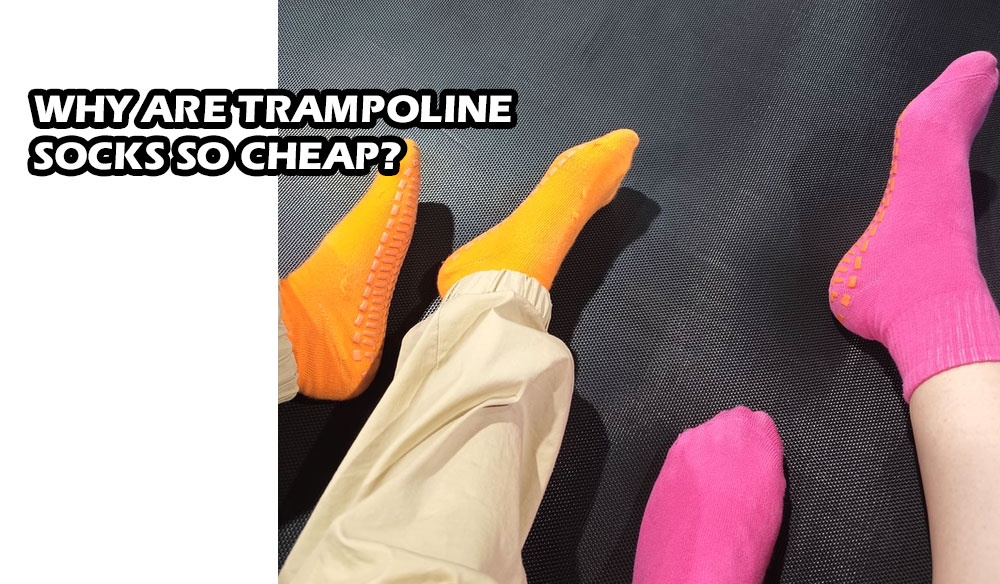
- The primary movement in trampoline sports is vertical jumping, which requires minimal lateral friction. Therefore, trampoline socks typically feature localized silicone dot designs only on key areas of the sole (such as the forefoot and arch), with anti-slip coverage accounting for approximately 40%-60% of the surface. This design meets basic anti-slip requirements while significantly reducing material costs. For instance, most trampoline socks available on Amazon feature larger silicone dot diameters (3-5mm) with sparse distribution, employing a simpler manufacturing process.
- Pilates Socks: Feature densely packed micron-level silicone dots (2-3mm diameter) across the entire sole, creating “anchor-style traction” for precise toe grip. Premium models incorporate a dual-layer shock-absorption structure (e.g., 3mm TPE cushioning layer) to enhance cushioning and durability.
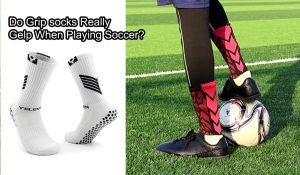
- Anti-slip soccer socks: The anti-slip zone covers 80%-100% of the forefoot, arch, and heel. Featuring textured particles and elastic straps, they withstand lateral forces exceeding 8.5kg even on wet and slippery surfaces.
Different material and durability requirements
- Trampoline socks have relatively low abrasion resistance requirements, so they are typically made from standard cotton blends (70%-85% cotton) with a small amount of spandex added for elasticity. This material is inexpensive but prone to deformation and silicone dot detachment with prolonged use. For example, trampoline socks priced at 1-3 yuan on Taobao often use plain weave construction and lack reinforced designs.
- Pilates socks are crafted from a blend of high-elastic polyester (92%) and spandex (8%) to balance softness and durability. The upper features a honeycomb knit for enhanced breathability, while the sole incorporates a composite TPE cushioning layer. Premium models incorporate silver ion antimicrobial technology to prevent odor buildup. This material costs 2-3 times more than standard cotton blends.
- Professional soccer socks require high-strength synthetic fibers like nylon (85%) and spandex (15%) due to the intense friction and stretching demands of the sport, offering over five times the abrasion resistance of cotton. For instance, a certain brand incorporates “Climacool” moisture-wicking technology with Formotion 3D-cut construction, ensuring feet stay dry even after 90 minutes of intense play.
Production Process Complexity and Economies of Scale
1.Mass Production of Trampoline Socks
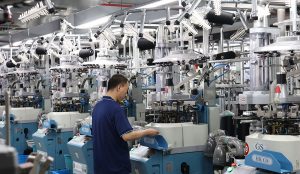
- Trampoline parks and similar facilities often place bulk orders for trampoline socks, with single orders reaching tens of thousands of pairs. Factories can reduce costs through automated dispensing and assembly line production. For instance, one supplier quotes as low as $0.54 per pair for trampoline socks with a minimum order of 6,000 pairs. Some vendors even offer “disposable trampoline socks” made from ultra-thin polyester fiber, costing only $0.10 per pair.
2.The Fine Craftsmanship of Pilates Socks
- The silicone dot application on Pilates socks requires high-precision screen printing, with 20-30 evenly distributed dots per square centimeter. These dots undergo high-temperature curing to prevent peeling. Additionally, the seamless knitting at the sock cuff and double-knit construction at the arch increase both labor and equipment costs. The production process for premium Pilates socks involves 12 quality inspection steps, taking three times longer than standard trampoline socks.
3.Composite Manufacturing Process for Anti-Slip Soccer Socks
- Soccer socks require a combination of knitting, heat-sealed adhesive, embroidery, and other techniques. The Trusox brand incorporates anti-slip inserts into the sock sole, using a skin-like leather material that is both thin and durable. Simultaneously, 3D contouring ensures a snug fit to the foot’s shape. This composite manufacturing process results in production costs 50%-100% higher than standard trampoline socks.
Brand Premium and Market Positioning
1.The mass-market appeal of trampoline socks
- Trampoline socks primarily target household consumption and recreational venues, where brand competition is fierce and price sensitivity is high. Consumers prioritize value for money over brand premium. For instance, among the top ten best-selling trampoline sock brands on Taobao, 80% are white-label or factory-direct brands lacking investment in brand marketing.
2.The Premium Positioning of Pilates Socks
- Pilates has become synonymous with health and fashion, driving the premiumization of socks. For instance, the Pilates socks from American brand alo retail for $70, marketed as “Instagram influencer favorites” and “luxury-grade designs,” with brand premium accounting for over 60% of the price. Other mid-to-high-end brands (such as TAVI) also elevate brand value through celebrity endorsements and professional event sponsorships.
3.Professional Market Barriers for Anti-Slip Soccer Socks
- The technical barriers for soccer socks are relatively high, with the market primarily dominated by sports giants like Adidas and Nike. These brands establish a professional image through patented technologies—such as Trusox’s INEXtech sock base—and endorsements by professional athletes, resulting in significant product premiums. For instance, one professional soccer sock brand allocates 15% of its sales revenue to R&D, far exceeding the 5% investment typical in the trampoline sock industry.
Service life and maintenance costs
1.Short-Term Usage Characteristics of Trampoline Socks
- The lifespan of standard trampoline socks is approximately 1-3 months (based on three uses per week), with silicone dots beginning to peel off after 5-10 machine washes. However, due to their low unit cost, users tend to replace them regularly rather than maintain them.
2.Long-term durability of Pilates socks
- Premium Pilates socks feature reinforced adhesive bonding and durable materials, withstanding over 50 machine washes without peeling. For instance, one brand passes the “peel-resistant test” (no peeling when lightly scraped at a 45-degree angle with a fingernail), ensuring a lifespan of 6 to 12 months.
3.High-strength durability of anti-slip soccer socks
- The nylon material of soccer socks can withstand over 100 intense movements, and the silicone dots undergo vulcanization treatment, making them three times more resistant to peeling than ordinary trampoline socks. For example, in laboratory testing, a certain brand of soccer socks showed only a 5% decrease in slip resistance after 200 cycles of bending and stretching.
Summary
The low price of trampoline socks stems from their simplified functionality, basic materials, mass production, and mass-market positioning. In contrast, Pilates socks and soccer anti-slip socks command significantly higher prices due to complex technology, premium materials, intricate craftsmanship, and brand premiums. This disparity fundamentally stems from differing athletic requirements and market segmentation: trampoline socks fulfill basic safety needs, Pilates socks prioritize precision and comfort, while soccer anti-slip socks cater to competitive performance. Consumers can select the most suitable anti-slip sock type based on their exercise intensity and budget.
DIY SOCK offers comprehensive customization services, covering material selection, production processes, design solutions, and overall coordination. We have a professional team that can provide you with customized solutions. We support orders starting from one pair of samples. If you need Custom grip Socks, please contact us for a quote and free design services.