easy to know
Self-Heating Socks VS Electric Heating Socks
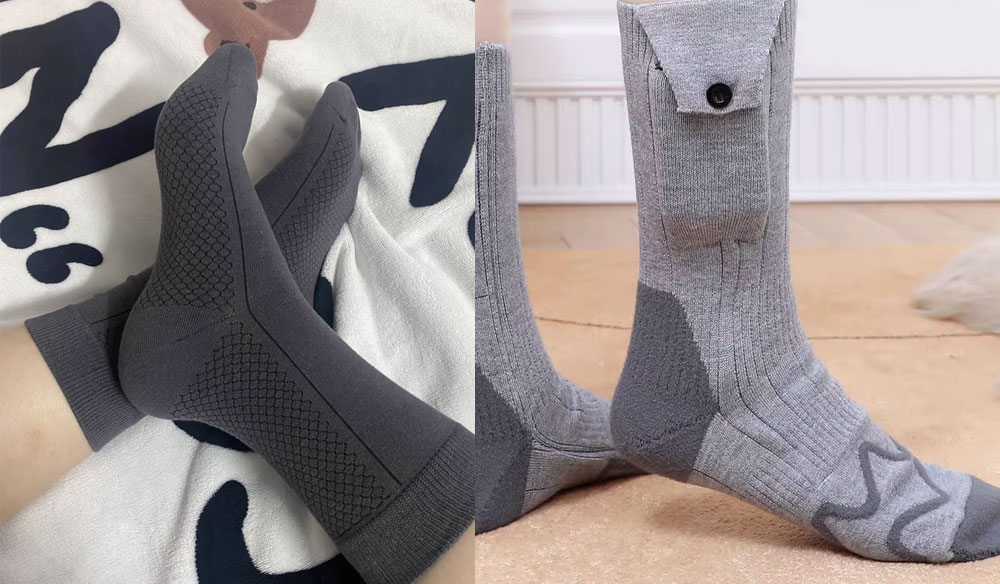
“Self-heating” uses moisture in your body as fuel, offering gentle warmth without needing charging—perfect for everyday comfort. “Electric heating” is like wearing a mini electric blanket on your feet, letting you dial up the heat as needed, but it requires batteries and caution against low-temperature burns.
Content Quick View
Self-Heating Socks VS Electric Heating Socks
| Feature Dimension | Self-heating Socks (Moisture-activated) | Electric Heating Socks (Power-driven) |
|---|---|---|
| Core Heating Principle | Utilizes fibers to absorb moisture from the feet and release heat. The absorbed sweat or water vapor triggers warmth generation. | Equipped with electric heating elements (such as carbon fiber or graphene heating sheets), powered by a battery, converting electrical energy into heat. |
| Actual Heating Efficiency | Provides mild and limited warming, typically increasing temperature by 2-4℃, effectiveness diminishes as fibers become saturated with moisture. | Features active and controllable heating, usually supports multi-level temperature adjustment (like low, medium, high), offering robust and noticeable warming effect, continuously providing heat. |
| Energy & Runtime | Does not require external power source, relies on human body moisture. Effectiveness might be better in humid environments or when sweating profusely. | Depends on rechargeable batteries for power. Runtime varies from several hours to over ten hours depending on battery capacity and heating settings. |
| Wearing & Usage Experience | Virtually identical to regular socks, typically lighter and softer, suitable for daily wear, easy to machine wash. | Generally thicker due to built-in wiring and battery compartments which may cause a sense of foreign object. Battery must be removed before washing, hand wash is generally recommended. |
| Safety & Precautions | Extremely safe, no special risks involved. However, people with extremely dry skin or infants might feel uncomfortable due to changes in humidity. | Requires attention to electrical safety, avoid circuit damage or short circuits. Risk of low-temperature burns, not recommended for use while sleeping or at a fixed setting for long periods. |
| Main Application Scenarios | An upgrade from ordinary warm socks, suitable for general warmth needs scenarios such as daily commuting, light outdoor activities. | Targeting extreme cold environments (such as winter outdoor work, skiing) or special warmth requirements (such as poor blood circulation, prolonged immobility). |
Choose the right heated socks for you
| Your Use Case | Recommended Choice |
|---|---|
| Mild cold feet during daily life, commuting / indoor use / short walks | Self-heating socks (lightweight, hassle-free, no extra gear needed) |
| Extreme cold (≤ -10°C), skiing / mountaineering / extended outdoor exposure | Electric heating socks (powerful warmth, adjustable temperature) |
| Elderly with cold feet or diabetic foot care needs | Electric heating socks (stable and gentle heat, helps prevent discomfort from chill) |
| Dislike foreign-object sensation; moderate budget (USD 20–50) | Self-heating socks |
| Seek maximum warmth; willing to pay premium (USD 50–150) | Electric heating socks |
note:
Self-heating socks:
- No socks that “generate heat out of thin air”! Claims of “keeping you warm at -20°C” are exaggerated. They’re actually 5-8°C warmer than regular thick socks, suitable for damp cold in southern regions or indoor/short commutes in northern areas.
- Select styles containing ≥60% cotton + graphene/far-infrared fibers for breathability and heat retention, preventing stuffy feet.
- Lifespan: 6–12 months. Heating effectiveness diminishes after washing, classified as a “disposable warming product.”
Electric Heated Socks
- Must choose a branded model featuring “IPX4 water resistance, over-temperature protection, and short-circuit protection” for outdoor use in rain or snow without electrical leakage.
- For outdoor use, choose the lithium battery model (4-6 hours of battery life is sufficient). For indoor use, choose the USB model (plug into a power bank or outlet, no battery life anxiety).
- Opt for styles that cover both the soles and tops of your feet with heating pads for more even warmth and to avoid localized overheating.
Summary
If you only experience occasional cold feet, self-heating socks will suffice. However, if you’re in sub-zero temperatures or suffer from severe cold feet, electric heating socks are a better choice. When selecting, pay attention to brand reputation, safety features, and your specific needs.