easy to know
Pilates grip Socks Selection Guide
Choosing Pilates grip socks is essentially an advanced journey that starts from the soles of your feet. Practitioners at different stages, varying training scenarios, and even distinct foot shapes all have unique requirements for socks. Below, we systematically analyze how to select the most suitable Pilates socks for you across three dimensions: from beginner to advanced, long to short styles, and toe-separated to regular designs.
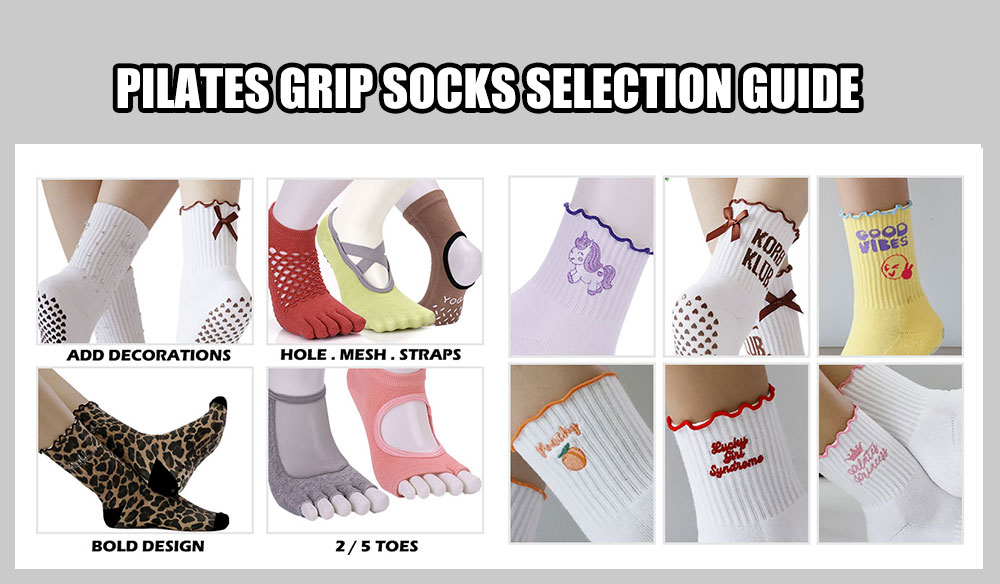
Content Quick View
1.From Beginner to Advanced: Gradually Evolving Requirements
| Stage | Core Needs | Recommended Style | Description |
|---|---|---|---|
| Beginner | Slip resistance, stability, sense of security | Full-sole silicone grip socks (toeless or regular) | Beginners have poor balance and are prone to slipping; high friction is needed to build confidence. |
| Intermediate | Movement control, foot activation | Toe socks with arch support | The split-toe design enhances toe grip and improves proprioception. |
| Advanced | Precise control, aesthetics, comfort | Mid-calf/long socks + stylish design + breathable | Movements are stable; users seek training ritual and personal style. |
2. Long vs Short Styles: Functional and Contextual Differences
| Type | Advantages | Suitable For | Notes |
|---|---|---|---|
| Long (crew / knee high) | Flattering leg shape, warm, strong styling versatility | People with thick calves, sensitive to cold, or seeking fashion appeal | May slip down for those under 155cm tall or with slim ankles. |
| Short (Invisible / Low-cut) | Cool, lightweight, strong barefoot feel | Sweaty feet, home workouts, or those who prefer a barefoot sensation | Sock cuff may slip; choose styles with anti-slip silicone grip strips. |
3.Five-Toe pilates Socks vs. Regular pilates Socks: Balancing Foot Activation and Comfort
| Type | Advantages | Disadvantages | Recommended For |
|---|---|---|---|
| Toe Socks Pilates (Five-toe) | Separate toes prevent sticking, enhance grip and balance | Slight discomfort initially, requires an adjustment period | Those looking to improve foot control, or with hallux valgus / toe crowding issues. |
| Regular Pilates Socks | Comfortable to wear, easy to match, quick to adapt | Toes may sweat more, slightly less grip | Beginners, daily training, or those sensitive to the “separated toe” feeling. |
4.2025 Hot Recommendations List (Categorized by Stage + Style)
1.Getting Started for Beginners (Prioritize Slip Resistance)
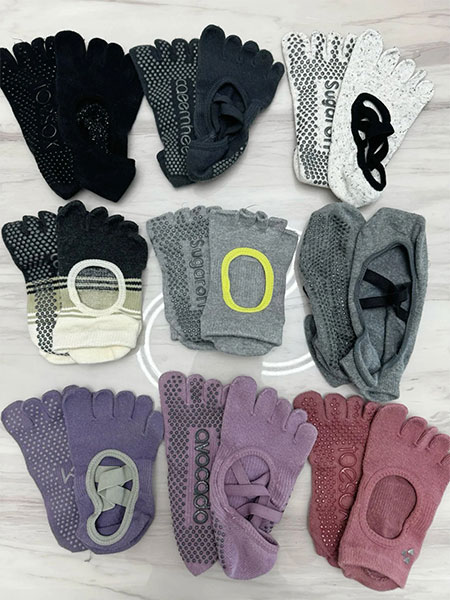
When first trying anti-slip socks, opt for the full-toe style to meet basic anti-slip needs. The five-toe style helps establish proper foot-to-ground power transfer, preventing slips that compromise movement quality.
2.Advanced Training (Five-Finger + Support)
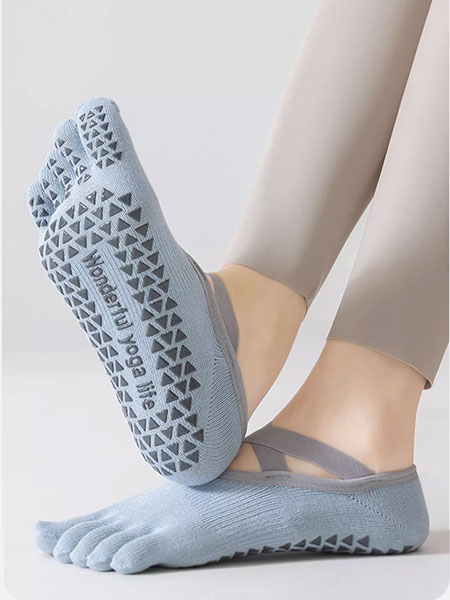
Incorporating silicone dot patterns or elastic support bands at the arch area cushions impact and reduces the risk of plantar fascia strain, making it suitable for high-intensity activities such as core bed training.
3.High-End/Fashionistas (crew / knee high + Stylish Designs)
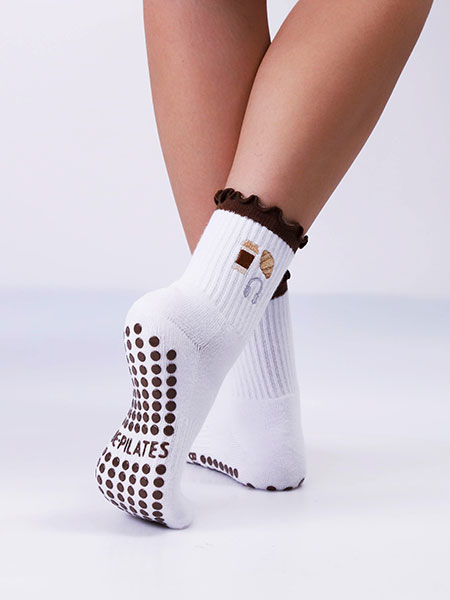
- Crew pilates socks (covering the ankle) and knee-high pilates socks (covering the calf) provide extra warmth and support. For instance, mid-calf socks prevent ankles from getting cold during workouts in colder environments, while knee-high socks reduce friction from straps against the skin during equipment training.
- The compression design at the arch and calf areas enhances blood circulation in the lower legs and alleviates fatigue. The anti-slip feature provides ample support, making it suitable for diverse scenarios.
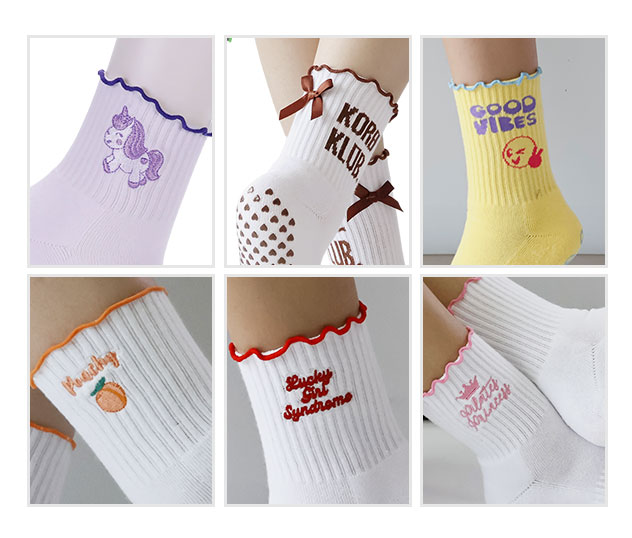
- Additionally, the crew length offers customization options—you can add your preferred logo or text to the upper section.
DIY SOCK offers comprehensive customization services, covering material selection, production processes, design solutions, and overall coordination. We have a professional team that can provide you with customized solutions. We support orders starting from one pair of samples. If you need custom pilates grip pilates socks, please contact us for a quote and free design services.
Summary
Choosing Pilates socks fundamentally involves balancing functionality with personal needs. Only by precisely matching style, material, and design details can one truly enhance the practice experience and effectiveness.