easy to know
Football Match Anti-Slip Socks Usage Guide
For soccer players, anti-slip socks aren’t just “optional accessories”—they’re essential gear that enhances sudden stops and changes of direction while preventing ankle sprains. Whether on amateur fields or professional leagues, choosing the right anti-slip socks, using them properly, and maintaining them well can reduce slip-related mistakes and injuries by 80%.
Content Quick View
1. Key Considerations for Choosing Anti-Slip Socks Before a Match
When selecting anti-slip socks, don’t focus on color or brand—instead, zero in on three core features: grip, moisture absorption, and snug fit. After all, during 90 minutes of running and tackling, subpar anti-slip socks will only hold you back.
- Anti-slip rubber: Look for the “granular” type, avoid the “striped” variety:
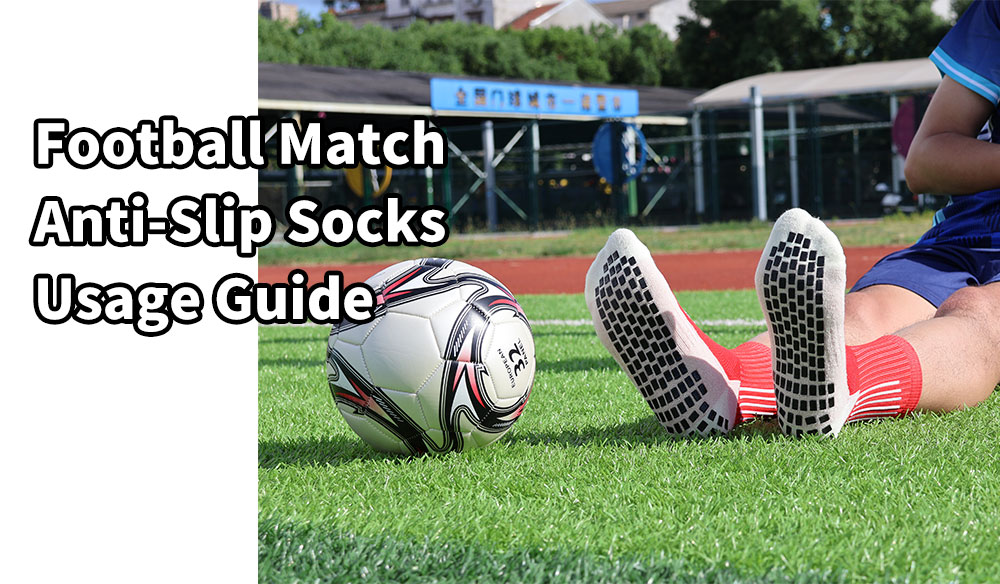
- The anti-slip rubber on the sole is key! Opt for designs with “dense silicone particles” (ideally 2-3mm in diameter) for grip three times stronger than striped rubber. They lock firmly into turf (suitable for both natural and artificial grass).
- Fabric: Choose “moisture-wicking blend,” not “100% cotton.”:
- During soccer matches, players sweat over 500ml per hour on average. Cotton socks become heavy and stiff when saturated with sweat, causing both chafing and slippage. Opt for a polyester-spandex blend fabric (with at least 70% polyester content). This material wicks moisture quickly and dries rapidly, keeping feet dry even after a 90-minute match while preventing socks from sticking to the skin and shifting out of place.
- Fit: Wearing “compression-style” gear keeps shin guards securely in place.:
- When selecting anti-slip socks, opt for styles featuring an “ankle compression design” with sufficiently strong elasticity at the cuff (ensuring a snug fit against the calf without slipping down). This design secures the shin guard while minimizing foot movement inside the shoe. During fitting, ensure the toes are not cramped and the heel is fully supported. The proper size is confirmed when walking without any “wrinkle buildup” in the sock.
2. During halftime, keep an eye on your Anti-Slip socks to avoid any mishaps.
During soccer matches, the performance of anti-slip socks diminishes over time and with sweat accumulation. Don’t wait until they start slipping to replace them. Remember these two essential checkpoints and replacement points:
Halftime (45 minutes): Check 3 signals; replace if any one is present.
- Whether the anti-slip coating has become smooth (no gritty sensation when touched by hand);
- Are the socks soaked through and clinging to your feet? (Squeeze them—water should come out.)
- Is the sock cuff loose (sliding down to expose the ankle)?
At the first sign of wear, switch to your spare pair immediately — sudden stops and pivots in the second half leave no room for carelessness.
Before extra time (90 minutes): Even if in good form, it’s advisable to substitute.
- If the match goes into overtime (120 minutes), it’s recommended to change into a fresh pair of anti-slip socks even if they appear undamaged. On one hand, 90 minutes of friction has already caused slight wear on the anti-slip rubber. On the other hand, the freshness and snug fit of new socks help maintain your explosive power during overtime, preventing mistakes caused by foot fatigue combined with slippery socks.
Tips:Be sure to bring two pairs of spare anti-slip socks before the race. Store them in a dry, sealed bag to prevent moisture from affecting their performance.
3. Proper post-game care extends the lifespan of anti-slip socks.
High-quality anti-slip socks can be reused for 5-10 games, but improper care can cause the anti-slip rubber to wear out prematurely. Follow these 4 steps after each game to keep them hygienic and durable:
- Wash promptly: Clean within 1 hour after the game; don’t leave it until the next day:
- The salt and oils in sweat can corrode the anti-slip rubber. After removing your socks post-race, immediately soak them in lukewarm water (below 30°C) for 5 minutes to prevent the anti-slip rubber from hardening.
- Gentle Wash: Hand wash with mild detergent. Do not machine wash. Do not use hot water:
- Machine washing may cause the anti-slip rubber to peel off due to stress, while hot water can damage the fabric’s elasticity. Hand washing is recommended: gently rub the sock body with a neutral detergent, avoiding vigorous scrubbing on the anti-slip rubber areas. After rinsing, wring until no water drips.
- Proper drying: Air-dry in the shade with good ventilation. Avoid direct sunlight and do not tumble dry:
- Direct sunlight can cause the anti-slip rubber to become brittle and crack, while the high heat of a dryer can melt silicone. Lay socks flat in a cool, well-ventilated area or hang them on a hanger (avoid hanging by the cuff to prevent stretching and loosening). After drying, touch the anti-slip rubber—if it still feels sticky, it means they’ve been properly cared for.
- Storage: Keep separate; avoid rubbing against hard shoe accessories:
- Store dried anti-slip socks separately in a storage bag, avoiding direct contact with sneakers or shin guards to prevent the anti-slip rubber from being scratched by hard edges. Before each use, inspect the anti-slip rubber to ensure it remains intact and free of peeling before wearing.
By the way
In soccer, steady feet are the foundation for aggressive play. Don’t let the wrong pair of anti-slip socks become your excuse for mistakes.
DIYSOCK Custom soccer grip socks offer an extensive range of custom soccer sock options. Beyond standard colors, materials, logos, and anti-slip patterns, we provide more specialized functional zones (such as abrasion protection, cushioning, and compression) at competitive pricing—25 pairs for $99 USD with free shipping. If you’re interested in our custom socks, please contact us for more informat