
easy to know
Efficient Lifting: Key Techniques in Pilates Practice Revealed
Pilates, a total body workout that combines body control, flexibility, strength and mindful balance, is gaining popularity. Whether you are a fitness enthusiast, an athlete or an ordinary person seeking physical and mental well-being, you can find benefits from the practice of Pilates. However, in addition to consistent practice, there are a few key techniques that are crucial to truly improving your Pilates skills
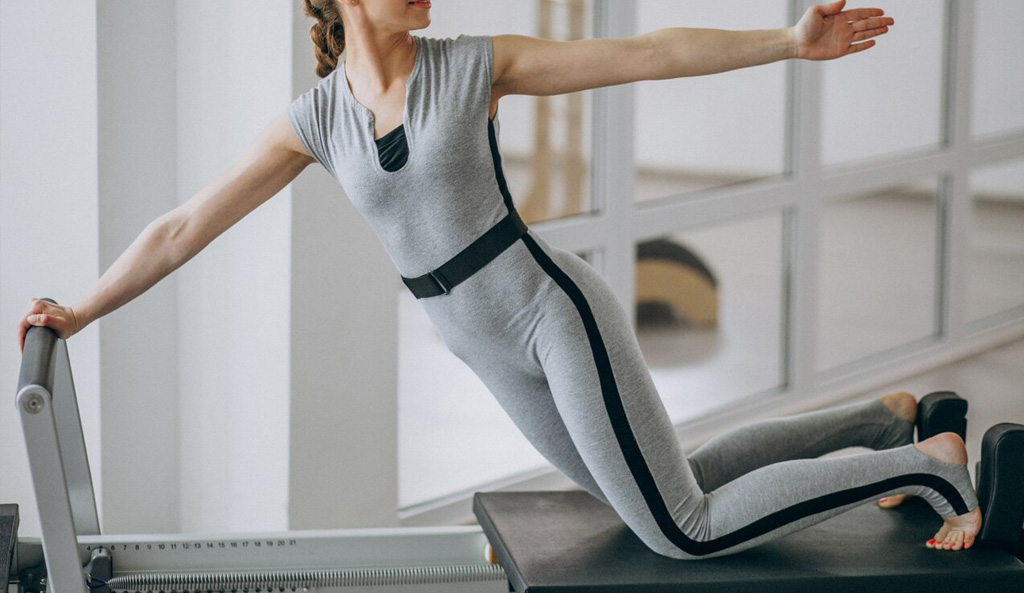
Content Quick View
breathing technique
In Pilates, breathing is not just life-sustaining, it is the soul of the exercise. Correct breathing enhances the effectiveness of your practice and promotes relaxation of the mind and body, while helping you to go deeper into each movement!
Abdominal Breathing: Abdominal breathing is commonly used in Pilates exercises, where the abdomen expands outward on the inhale and contracts on the exhale. This type of breathing helps to activate the core muscles and increase the stability of the body. During the exercise, maintain the continuity and depth of your breathing so that each breath accompanies the ebb and flow of the movement.
Rhythm and Synchronization: Ensure that the breath is synchronized with the rhythm of the movement. For example, in a curl exercise, inhale to prepare and exhale to complete the curl. This synchronization not only improves the accuracy of the movement, but also helps you to better control your strength and rhythm.
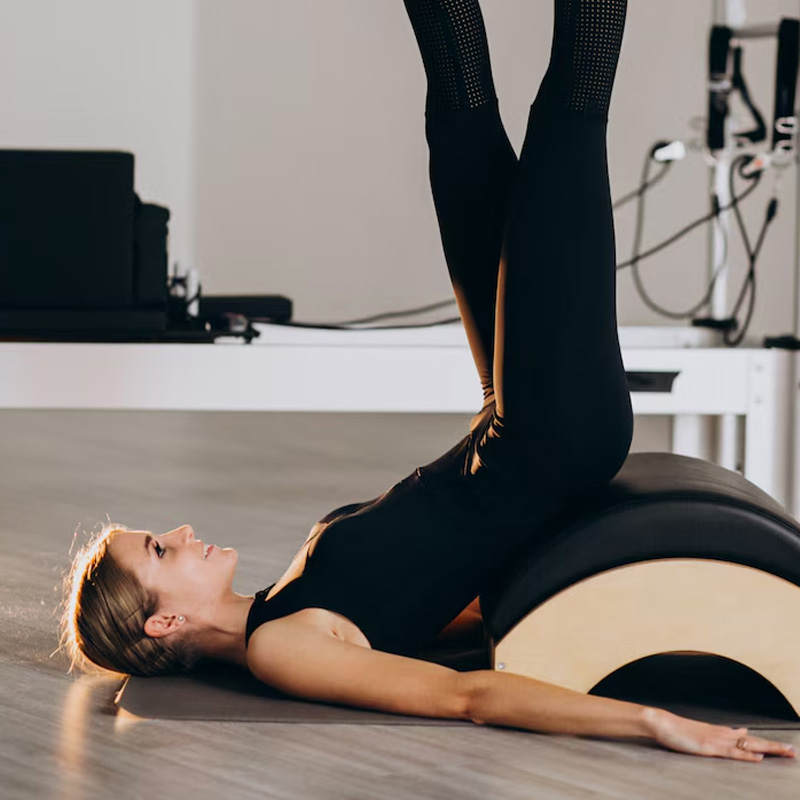
Core Activation
The core of Pilates is not just the abdominal muscles, but the entire “ring of strength” that includes the abdominal, back, pelvic and anterior thigh muscles. Activation of the core muscles is the key to Pilates practice, which improves stability and strength!
Tightening the Belly and Lifting the Butt: In many Pilates movements, such as single leg extensions and bridges, you need to tighten the belly and lift the buttocks to activate the core. Imagine your belly button moving toward your spine while your gluteal muscles tighten to create a stable point of support.
Neutral Pelvis: Maintaining a neutral pelvis is an important prerequisite for core activation. A neutral pelvis means that the pelvis is neither excessively anterior nor posteriorly tilted, which helps to maintain the natural curve of the spine and reduces the risk of injury.
Movement Accuracy
Pilates movements may seem simple, but every detail is crucial. Only with accurate movements can you fully utilize the effects of Pilates and avoid unnecessary injuries.
Neutral Spine: Maintaining a neutral spine is crucial during a Pilates practice. This means avoiding excessive bending or twisting of the spine to protect spinal health during the exercise.
Body Alignment: Pay attention to body alignment, especially when performing balancing and stretching movements. For example, during a swan dive, make sure your shoulders, hips, and knees are in a straight line, which helps keep your body stable and improves the accuracy of the movement.
Range of motion: Pilates is not an exercise that pursues range of motion, but rather focuses more on depth and quality of movement. During the exercise, do not sacrifice the accuracy of the movement for the sake of range of motion. For example, in the alternating hand-knee stretch in the four-legged kneeling position, the focus is more on the stability of the core and the tension in the muscles when stretching the legs and arms, rather than how far the arms and legs have been extended
Mental Focus
Pilates is not only a physical exercise, it is a mindfulness exercise. Staying focused during your practice can help you go deeper into each movement and improve the results of your practice!
Meditation and Breathing: A short meditation before the start of a practice or between practices helps to clear the mind of distractions and focus on the current practice. At the same time, combined with abdominal breathing, it can further relax the body and mind and improve concentration
Feedback and Adjustment: Maintain awareness of your body during the exercise, paying attention to how your muscles feel and how your body reacts. If you notice that a movement is not being done accurately or you feel uncomfortable, adjust your posture or breathing to ensure the safety and effectiveness of your practice.
Goal Setting: Set clear goals for yourself, which can be as simple as completing a certain number of exercises per week or improving the accuracy of a certain movement. Setting goals helps to keep motivation and focus on practicing.
long term commitment
Make a plan: Make a reasonable practice plan for yourself, including the number of times you will practice each week, and the time and content of each practice. The plan should be specific and feasible, as well as flexible enough to accommodate changes in your life.
Recording Progress: Record your practice sessions and progress. This could be the number of exercises completed per week, improvements in a particular movement, or how your body feels. Recording helps you to see your progress and increase your confidence
Stay patient: Pilates skill improvement is a gradual process, don’t rush it. Remain patient and persistent and believe in your ability to keep improving.
conclude
Pilates is a challenging and fascinating exercise. By mastering proper breathing techniques, activating your core muscles, maintaining movement accuracy and mental focus, and practicing consistently, you will be able to make even more progress in your Pilates practice!