easy to know
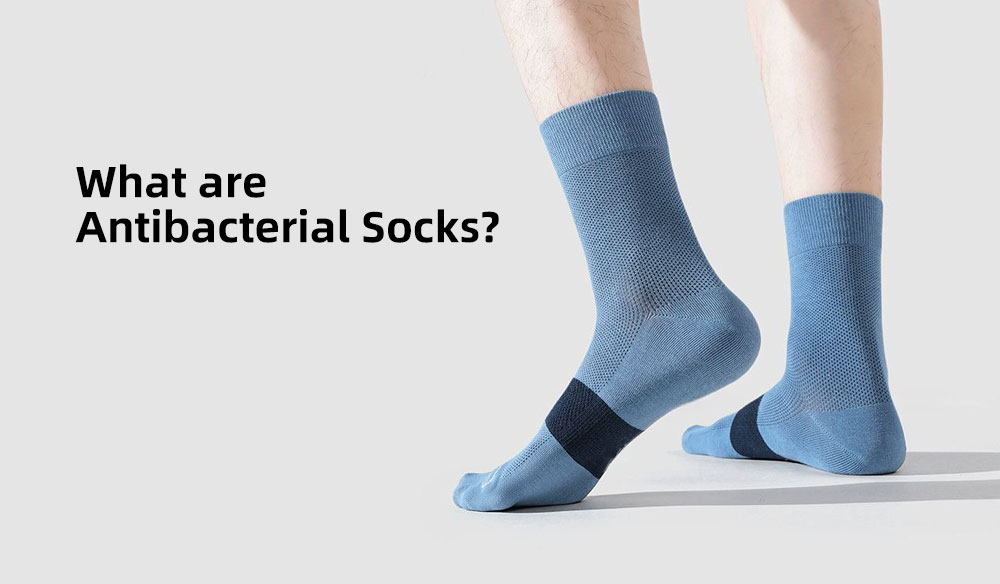
What are antibacterial socks?
Antibacterial socks are functional footwear enhanced through material modifications or technical treatments to inhibit bacterial and fungal growth, addressing core foot concerns such as odor, moisture, and athlete’s foot.
Content Quick View
antibacterial socks
Antibacterial socks, also known as odor-resistant socks or antimicrobial socks, are a type of specially treated functional footwear. Their core principle involves incorporating or attaching antimicrobial agents into the sock fibers to inhibit the growth and reproduction of bacteria and fungi. This achieves the goals of reducing foot odor, maintaining dry feet, and preventing certain foot infections such as athlete’s foot.
Simply put, it’s like putting an “invisible protective suit” on your socks, actively combating the microorganisms that cause odor.
The Function of Antibacterial Socks
- Long-lasting odor protection: Reduces unpleasant odors at their source by inhibiting bacteria from breaking down sweat (foot odor primarily stems from volatile substances produced when bacteria metabolize proteins and fatty acids in sweat).
- Antibacterial Foot Care: Reduces the risk of developing or recurring skin issues such as athlete’s foot, tinea pedis, and interdigital dermatitis.
- Stay Dry: Combining antimicrobial technology with moisture-wicking properties reduces foot moisture, further inhibiting bacterial growth.
- Extend lifespan: Reduce bacterial erosion of fibers, slowing down the rate at which socks yellow and harden.
- Preventing infections: Helps reduce the risk of skin conditions caused by fungi or bacteria, such as athlete’s foot and eczema.
Note:
- Antibacterial ≠ Sterile: It can only “inhibit” rather than “kill” all fungi. For moderate to severe athlete’s foot, medication is still required.
- Effect will diminish: Especially for post-treatment types, frequent high-temperature washing or bleaching will accelerate deterioration.
- A very small number of individuals may experience allergic reactions to metal ions or additives, manifesting as itching or red rashes. In such cases, discontinue use and seek medical attention.
- There’s no need to blindly pursue higher ratings: 3A is sufficient for everyday wear. 7A comes at a higher cost and is better suited for high-intensity activities or specialized occupations.
Types of Antibacterial Socks
1. Natural materials with antibacterial properties
- Bamboo fiber socks: Contains natural “bamboo quinone” components that disrupt bacterial cell membranes, achieving antibacterial rates exceeding 90%. It also absorbs moisture and wicks away sweat (with moisture absorption capacity three times that of cotton).
- Merino wool socks: The keratin in wool contains natural antibacterial agents and offers moisture-wicking breathability, making it ideal for dual needs of warmth and antimicrobial protection.
- Hemp fiber (flax / hemp) socks: Features a loose fiber structure with exceptional breathability. Contains natural “cannabidiol” (CBD) that provides antibacterial and odor-resistant properties, making it ideal for summer or outdoor use.
2.Chemical Antibacterial
- Silver Ion / Copper Ion Antibacterial Socks: The most widely used type, silver ions (Ag+) rapidly eliminate bacteria and offer strong long-lasting antibacterial properties (antibacterial rate remains ≥80% after 50 washes). Ideal for high-frequency use scenarios such as sports, medical settings, and outdoor activities.
- Quaternary ammonium salt antibacterial socks: Low cost, broad-spectrum antimicrobial properties, suitable for everyday affordable antibacterial socks;
- Antibacterial Plant Extract Socks (Mugwort, Peppermint, Tea Tree Essential Oil): Featuring a “natural botanical formula,” these high-value-added socks are ideal for wellness and women’s care as antibacterial footwear.
Key Performance Indicators for Antibacterial Socks
1.Antibacterial Rating:
- Chinese standards are categorized into 3A grade (70-80% antibacterial rate, everyday use), 5A grade (80-90% antibacterial rate, mid-to-high-end applications), and 7A grade (≥90% antibacterial rate, high-intensity scenarios such as medical and sports settings). Marketing materials must clearly indicate the applicable grade to enhance credibility.
2.Washfastness:
- Premium antibacterial socks maintain their antibacterial efficacy even after 50 washes, a key selling point that distinguishes them from low-cost inferior products (which may only feature a surface coating of antibacterial agents that lose effectiveness after 3-5 washes).
3.Safety:
- Must pass skin irritation testing (non-sensitizing, non-irritating), especially for mothers and infants, as well as those with sensitive skin. Copy may emphasize: “Tested by authoritative institutions, proven safe and harmless.”
Who should wear antibacterial socks
- Hyperhidrosis sufferers: Individuals prone to excessive sweating in the feet.
- Sports enthusiasts: Runners, fitness enthusiasts, ball players, etc.
- Individuals who wear shoes for extended periods: such as business professionals, drivers, military personnel, and healthcare workers
- Individuals with athlete’s foot or those at risk: As an adjunct to care and prevention.
- Anyone who values personal hygiene and quality of life.
Summary
Antibacterial socks are functional footwear that actively inhibits the growth of bacteria and fungi on the feet through physical or chemical technologies. This achieves long-lasting odor control, maintains dryness, and prevents infections. They offer a highly effective and direct modern solution for foot odor, making them particularly suitable for individuals with high standards for foot comfort and hygiene.