easy to know
Yoga Socks vs. Pilates Socks
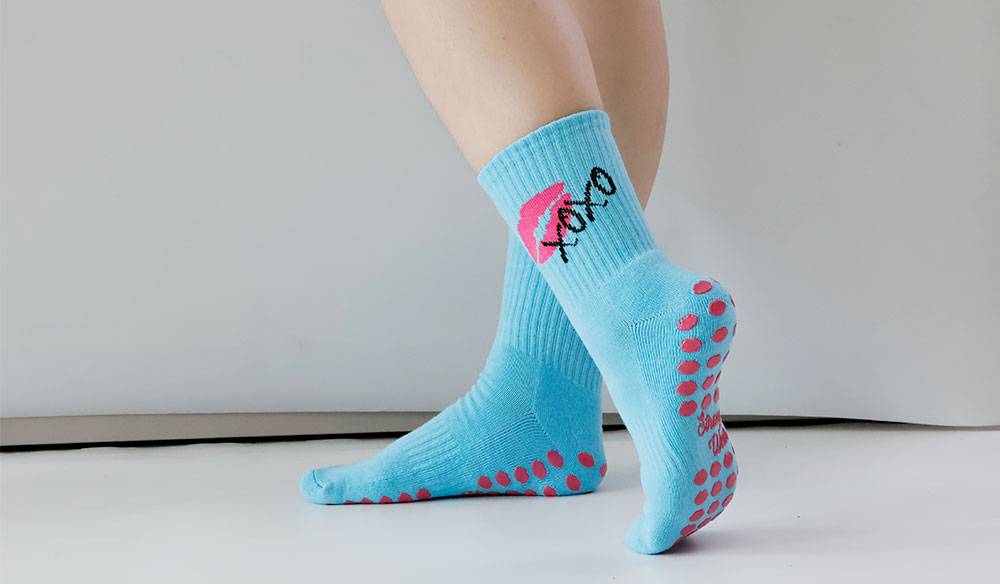
Regarding yoga socks and Pilates socks, they actually refer to the same product—anti-slip grip socks worn during exercise, with fundamentally identical core functions. However, there are subtle differences in their requirements depending on the specific exercise scenario.
Content Quick View
Key Feature Comparison
| Feature | Yoga Socks | Pilates Socks |
|---|---|---|
| Non-Slip Design | Typically feature silicone grips or non-slip patterns on the sole for enhanced traction | Also use silicone dots or grip patterns, emphasizing slip resistance |
| Sock Style | Common styles include toe-separated (five-toe), mid-calf, and strap-secured socks | Primarily feature five-toe and mid-calf designs, with some including adjustable straps |
| Material | Often made from cotton-spandex blends, balancing breathability and stretch | Emphasize breathability and comfort, often incorporating antimicrobial or quick-dry fabrics |
| Use Cases | Yoga, dance, at-home workouts, etc. | Pilates, yoga, ballet-inspired toning, etc. |
Similar yet with subtle differences
- All are professional anti-slip socks featuring silicone/rubber anti-slip particles on the soles to prevent slipping during exercise.
- Made primarily from polyester, nylon, spandex, or cotton blends, they offer both elasticity and breathability.
- Suitable for indoor sports requiring stability and foot traction.
The difference
- Yoga Socks: Designed for enhanced flexibility and toe sensitivity, some styles feature “open-toe” or “five-toe separation” designs to facilitate muscle awareness and balance during pose transitions.
- Pilates Socks: Designed for enhanced stability and compatibility with equipment, especially when practicing on the Reformer, requiring superior grip and support.
How to Choose and Use
- Based on the type of exercise: If you primarily practice equipment-based Pilates, a pair of non-slip socks is essential safety gear. For yoga or mat Pilates, you can try practicing barefoot; if you feel slippery or prioritize hygiene, then use non-slip socks.
- Please note venue requirements: Some gyms or studios may require participants to wear non-slip socks for hygiene and safety reasons. Be sure to check the rules in advance.
- Consider personal habits: If you tend to sweat easily or prioritize personal hygiene, wearing non-slip socks is a cleaner and more hygienic option when practicing in public spaces.
- Style Reference:
- Ankle length Socks: Invisible design, looks great with leggings, perfect for summer and hot yoga.
- Crew length socks: Provide enhanced ankle support, ideal for extended practice sessions and coole environments.
- Five-Toe Socks: Enhance independent toe control, ideal for balance exercises and toe strength training.
How to Choose the Best Socks for You
Yoga socks and Pilates socks are essentially highly versatile and can be used interchangeably in most situations. When choosing between them, the primary considerations are as follows:
- For Yoga :If you frequently perform balancing poses or engage in prolonged static practice (such as Vinyasa or hot yoga), opt for yoga socks with fully separated toes, mid-calf length, and Coolmax® fiber to enhance foot sensitivity and balance control.
- For Pilates:If you frequently engage in equipment training or precise, low-amplitude movements (such as Pilates core work or ballet squats), opt for Pilates socks featuring a half-toe design, crew length, and a cotton-spandex blend to enhance toe grip and movement precision.
Summary
Regardless of your choice, professional anti-slip socks can significantly enhance your athletic performance and safety, making them far more suitable for modern yoga and Pilates practice than regular socks or bare feet.