easy to know
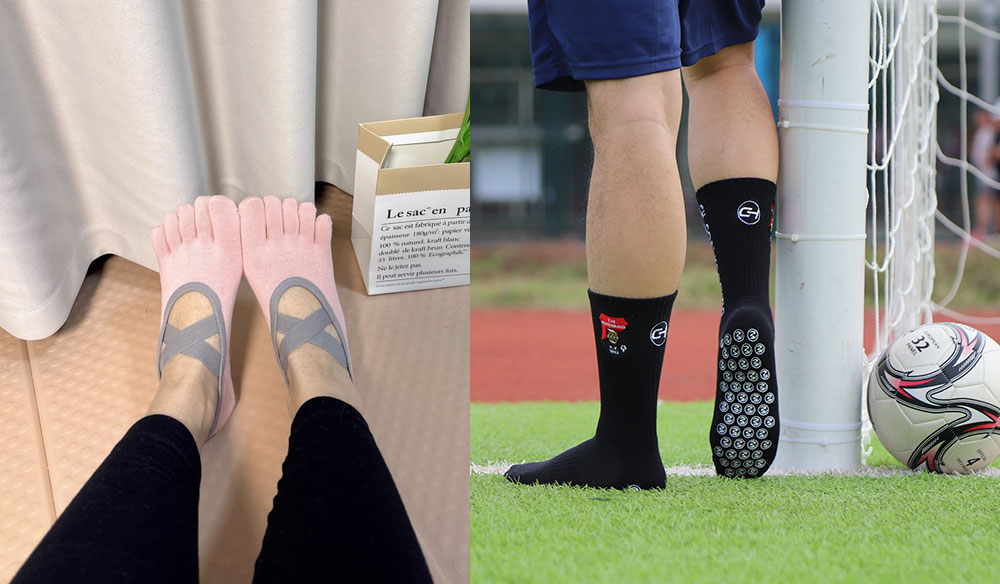
Soccer Anti-Slip Socks vs Yoga Anti-Slip Socks
Although both soccer anti-slip socks and yoga anti-slip socks are called “anti-slip socks,” their design philosophies and specific requirements are almost entirely opposite. This is because the sports scenarios they serve have fundamental differences in dynamics, biomechanics, and tactile needs.
Content Quick View
Differences in Design Philosophy
1. Soccer Grip Socks
- Its primary functions are to secure the shin guard, provide cushioning, wick away sweat, and work in tandem with the shoe’s inner lining. Its “anti-slip” feature is designed more to prevent slippage within the shoe than to directly resist slipping on the ground. It prioritizes a snug fit, secure lockdown, and seamless integration.
2.Yoga Grip socks
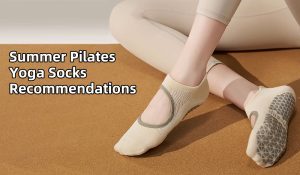
- The primary function is to replace bare feet, providing traction on yoga mats that surpasses skin friction while maintaining foot flexibility and ground awareness. Its slip resistance is specifically designed for yoga mats or floors.
Differences in detail
1.Anti-slip design
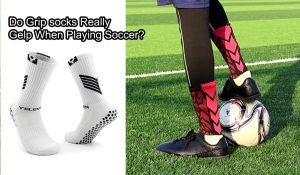
- Soccer grip socks: Requires handling sudden stops, direction changes, and sprints in multiple directions. Anti-slip points must be densely distributed (covering the forefoot, arch, heel, and even the inner ankle). Select durable rubber material with larger particles and higher hardness. Anti-slip tread patterns must resist wear from natural and artificial turf.
- Yoga Anti-Slip Socks: Designed for static stretches and balancing poses, these socks concentrate pressure on the soles of the feet. Anti-slip points are strategically placed on key areas—the forefoot, heel, and arch—using a soft silicone material with denser texture. They prioritize friction and grip with yoga mats while preventing damage to the mat surface.
2.Support and Envelopment
- Football Anti-Slip Socks: Designed for high-intensity sports, these socks provide strong support to reduce the risk of sprains. Featuring a high-ankle wrap and calf compression structure, they incorporate reinforced weaving at the arch for a snug, secure fit that prevents slippage.
- Yoga Anti-Slip Socks: Designed for unrestricted movement, with support concentrated solely on the sole. Featuring a low-ankle or boat-style design, these socks are lightweight and elastic throughout, allowing full range of motion in the ankles and calve .They provide a snug fit without feeling tight.
3.Material and Breathability
- Anti-slip soccer socks: Designed for prolonged intense activity where heavy sweating occurs, these socks feature highly breathable mesh fabric combined with quick-drying fibers (such as polyester and spandex blends). Durable nylon reinforcements enhance tear resistance at the toe and heel areas.
- Yoga no-Slip Socks: Designed for moderate sweating concentrated on the soles, these socks feature moisture-wicking cotton blended with soft spandex for a skin-friendly feel that prevents stuffiness. The sole material balances moisture absorption with slip resistance to avoid slipping or damp discomfort caused by perspiration.
Summary
Simply put, you can understand it this way.
- Football non-slip socks act more like a high-performance intermediary between your feet and your cleats. Designed for stability, cushioning, and moisture-wicking, they ensure your feet stay secure and injury-free inside the “little house” of your cleats during intense sprints, sudden stops, and quick changes of direction.
- Yoga Anti-Slip Socks feel more like an extension and enhancement of your feet. Designed for grip, flexibility, and awareness, their silicone dot matrix soles provide stability beyond bare feet on smooth yoga mats while preserving foot freedom and sensitivity.
Therefore, wearing soccer socks for yoga will cause your feet to slip and prevent you from generating power. Conversely, wearing yoga socks in soccer cleats will cause their delicate silicone dots to wear down quickly, failing to provide the necessary grip and support for soccer. Both are specialized products designed for entirely different athletic scenarios.