easy to know
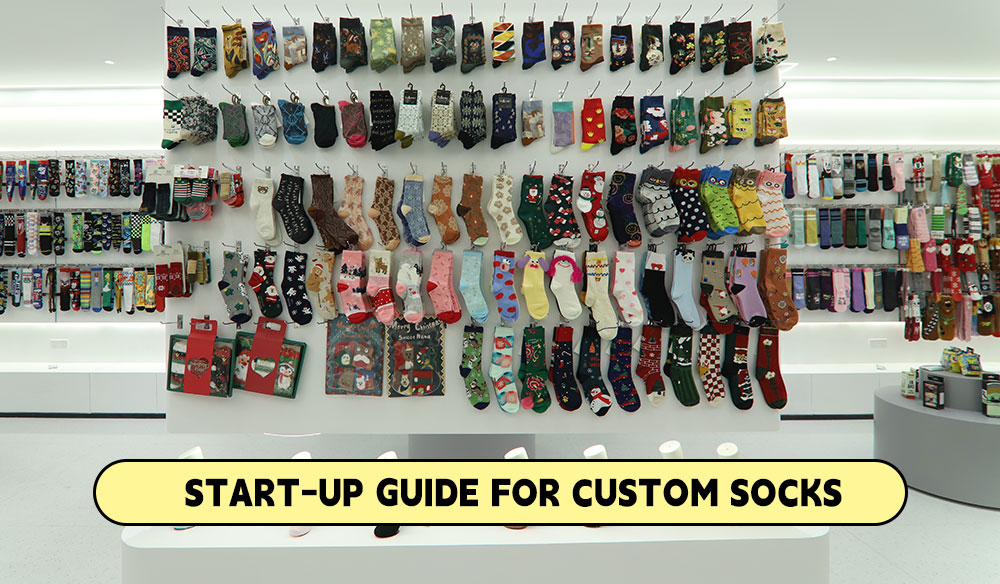
Start-Up Guide for Custom Socks
As a newcomer to the sock industry looking to start a business in “custom socks,” here are several key areas you should focus on:
Content Quick View
Quickly grasp the key points
1.Define product positioning and target customers
- Market positioning must be clear: Are you targeting high-end customization (e.g., corporate gifts, wedding favors) or personalized trendy socks (e.g., pet photos, IP designs)? Different positioning requires vastly different approaches to design, materials, pricing, and distribution channels.
- User needs research is crucial: Test your designs on Instagram, Pinterest, and TikTok beforehand to gauge popularity and avoid blind production.
2.Design Phase: Personalization ≠ Complexity
- Pattern design should be simple: Avoid overly complex patterns that compromise comfort and visual appeal.
- Provide high-resolution design files: When liaising with manufacturers, ensure use of high-resolution PNG/PDF formats and clearly specify details such as colors, dimensions, and weaving techniques (e.g., jacquard, printing).
- Beware of copyright risks: Avoid using unauthorized cartoons, celebrities, brand logos, or similar materials. We recommend creating original content or using commercially licensed stock images.
3.Selecting a reliable custom socks manufacturer
- Prioritize factories that support small-batch custom orders: Beginners are advised against placing large orders initially. Opting for manufacturers that accommodate small orders with quick turnaround offers greater flexibility.
- Review samples before placing an order: Always request a sample to inspect details such as the sock’s knit pattern, elasticity, color variation, and loose threads.
- Evaluate factory qualifications and services:
- Does it have ISO certification, eco-friendly dyes, and quality inspection procedures?
- Does it support deep customization services, custom packaging, and low minimum order quantities?
- Do you offer after-sales service (such as returns or exchanges for defective products)?
4.Cost and Pricing Strategy
- Cost components must be calculated clearly:
- sample fee
- socks cost
- Packaging, logistics, platform commission fees, etc.
- Custom products offer significant pricing flexibility: Pricing at 3–4 times the cost is common. For example, a cost of $2 typically sells for $6–8.
- Recommend adopting “make-to-order production”: Avoid inventory risks, particularly suitable for the startup phase.
Practical Guide to Entrepreneurship
Now that we’ve covered the overall framework, let’s examine the specific steps for each stage.
1.Market and Product Positioning
- Select a niche market: Avoid direct competition with established major brands by targeting a niche audience you know or love, such as “anime-themed socks” or “eco-friendly athletic socks.” This approach allows you to quickly build brand loyalty.
- Determine Product Type: Based on your chosen niche market, decide which type of socks to focus on—such as performance-driven athletic socks, casual socks for everyday wear, or compression socks for specific health needs.
- Developing Pricing Strategies: When setting prices, you must comprehensively consider production costs, platform fees, competitor pricing, and your target profit margin.
2.Supply Chain and Production
- Adopting on-demand production: For beginners, this is the lowest-risk way to start. You only need to focus on design; production and shipping to customers are handled by suppliers after orders are placed. This means you avoid inventory costs and the risk of overstocking.
- Strict Quality Control: Strict quality control must be enforced. Establish standardized production processes covering raw material certificates, production process control, and finished product inspection to ensure products meet standards and customer expectations.
3.Brand Building and Marketing Promotion
- Establish Your Brand Identity: A compelling brand story and visual design (logo, packaging) will help you stand out. Ensure your brand style aligns with the type of socks you sell and the aesthetic preferences of your target customers.
- Multi-channel sales: Initially, prioritize setting up online stores on e-commerce platforms like Shopify and Etsy. If conditions permit, consider opening physical stores in the future to offer in-person customization and experiential services.
- Effective Lead Generation and Conversion: To avoid running out of customers after exhausting personal connections during the initial launch phase.
4.Operations Management and Risk Mitigation
- Building the Core Team: When business growth necessitates hiring, finding suitable designers and customer service representatives can be challenging. Plan your team structure in advance and establish a reasonable incentive system.
- Delivering Heartfelt Service to Customers: Clients seeking custom products often pay close attention to details and can sometimes be quite particular. This requires you to communicate with heightened emotional intelligence and patience. Excellent service builds repeat business.
- Ensure compliance in business operations: Familiarize yourself with and adhere to relevant regulations early on, such as formally registering your company and applying for trademark protection for your brand. When promoting your products, be mindful of platform rules—for instance, avoid claiming that socks possess therapeutic effects like “antibacterial” properties without authoritative testing reports.
Summary
Custom socks are more than just a business—they’re a vessel for expressing individuality and emotion. With dedicated effort, your brand will carve out its own niche in this trillion-dollar market.