
easy to know
What exactly is Pilates Practicing?
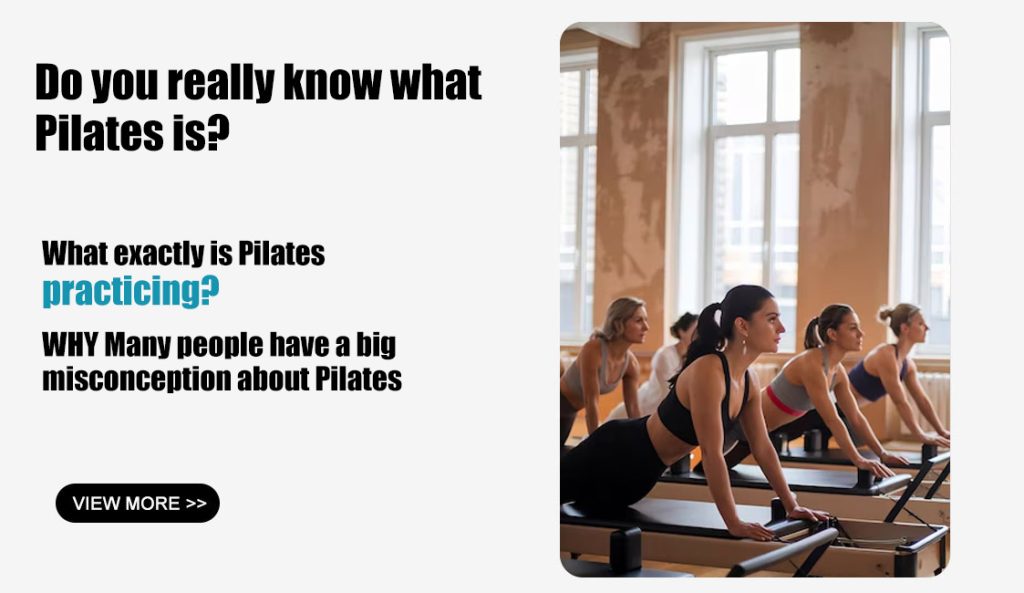
In the Pilates exchange community can often see: “Why do I practice this movement did not feel at all”, “feel not practiced ah, sweat is not much ah”. And so on.
This is an extremely common phenomenon. Thinking back to a few years ago, when I first tried mat Pilates, I also always had trouble doing it right – what factors did this have to do with?
Content Quick View
I think it may have something to do with the following factors
1. sense of self:
If your body senses are not sharp enough, you will have difficulty in detecting whether your body is in a neutral posture or not, so what can be done to improve your body senses? The key is to exercise your brain. You can do this by doing more basic movements, gradually sensing the state of your body during repetition, and having both your brain and muscles memorize the correct feeling. Additionally, increasing your balance training, trying yoga, or engaging in activities such as meditation and contemplation can help your body feel better!
Shorter training years:
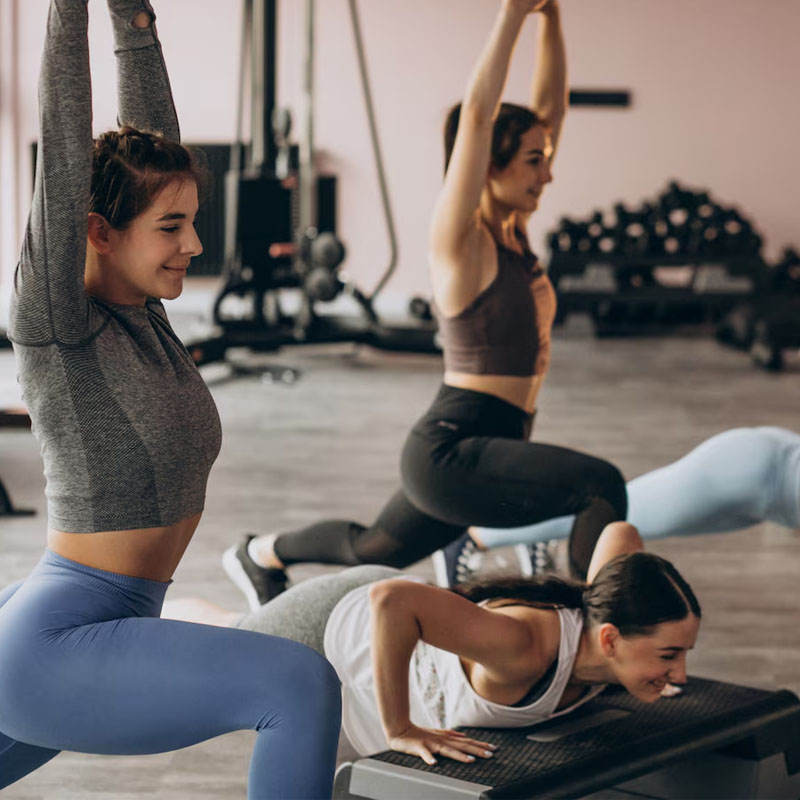
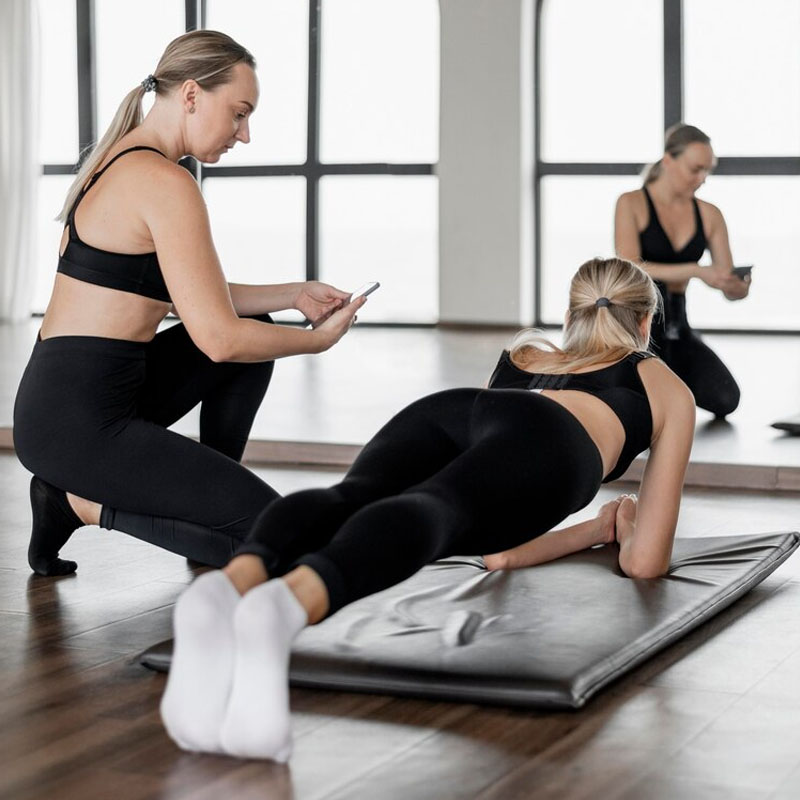
For those who expect to avoid vicarious compensation when they first start practicing, unless they can find an extremely professional personal trainer to provide continuous guidance and supervision, they can only gradually reduce the vicarious compensation phenomenon through the experience gained from training over a long period of time. Moreover, it is important to actively use your brain to think during the training process. If one is not willing to use one’s brain and lacks the enthusiasm to exercise, then the compensation problem may persist and be difficult to solve!
Less strength training, enjoys relaxing:
If you are switching from yoga to Pilates, you may be under the mistaken impression that Pilates is just yoga performed on equipment, but this is actually a glaring misconception. Pilates is a system of exercise founded by the German Joseph Pilates that is just over a hundred years old, whereas yoga has been around for thousands of years, and the two are not the same thing. Modern yoga includes a lot of stretching, and these are not part of classical yoga. If you usually favor stretching, and strength training is almost absent, and you don’t have enough muscle mass, you may feel quite overwhelmed when you first start Pilates, as you lack the necessary strength and need to build it gradually.
Scientific Pilates Training:
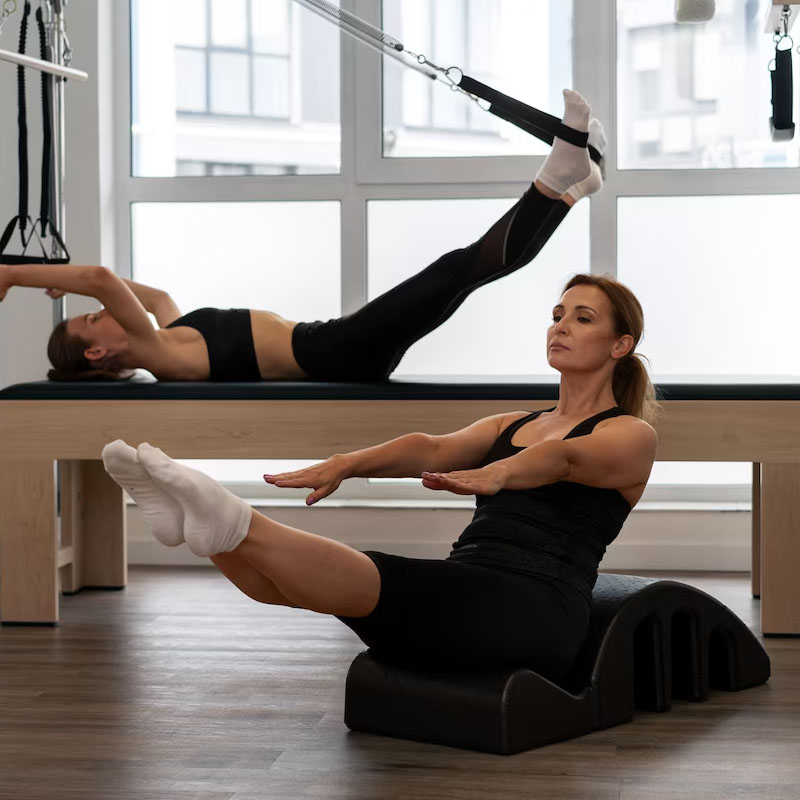
Quality Pilates training aims to achieve a high degree of precision in the control of tiny muscle groups through seemingly simple movement shapes. For example, the Dead Bug Pose, while seemingly accessible to all and perhaps even boring, is actually quite challenging. Curls and roll ups, for example, appear to be rolls or curls, but they are far from it. If you just rely on inertia and superficial muscles to perform these movements, your heart rate will stay low and you won’t feel tired because you’re not activating deep muscles. It takes excellent proprioception and brain coordination to mobilize the deeper muscles, so sometimes you feel that certain movements are ineffective, and the problem isn’t the movements themselves, but that you’re not yet at that level of competence. As long as you keep the enthusiasm to learn and be persistent, one day you will reach the desired state, and even the simplest movements can make you sweat.
Cascading sweat isn’t a good thing
In fact, excessive sweating is not beneficial. For example, the aforementioned sweating is just a natural response to effective muscle mobilization, and it doesn’t make you as drenched as you would be in hot yoga. Don’t make the mistake of thinking that sweating more will help you lose weight or improve your body shape – after all, it’s hot as hell when you go out and casually hang around in the summer, but you won’t lose any weight, and instead it may lead to electrolyte loss. Thinking that you can lose weight by sweating is actually a way of avoiding the idea of making an effort, because it’s easy to sweat, but it’s really hard to stick to a workout and not be affected by muscle soreness. When exercising in the summer, it is important to work within your limits and make sure to replenish electrolyte loss, otherwise it may trigger muscle cramps or other physical discomfort.
So what exactly is Pilates practicing?
As I mentioned before, Pilates is a type of exercise that emphasizes control and requires the brain to work closely with the body to target small muscle groups. This type of exercise enables the entire body to achieve a more balanced state, allowing the normally overworked surface muscles to relax while activating the deeper muscles to produce a healing effect. In the process of the brain and body working in tandem, Pilates also enhances an individual’s willpower, intelligence, and perception of the world around them. In fact, quite a few exercises offer similar benefits, but Pilates is particularly effective in this regard.
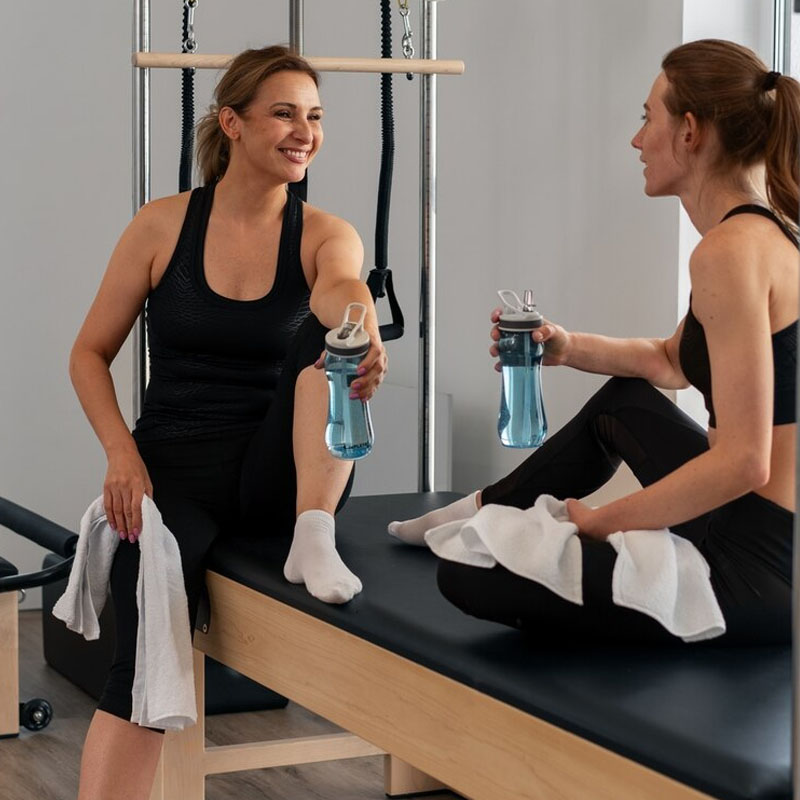
Many people have a great deal of misunderstanding and ill will towards Pilates.
This happens because Pilates is a great sport for modern people and is also seen as a relatively high end sport with a strong celebrity effect that attracts a large number of people vying to learn it. This has led to a certain degree of loss of participants in other sports. For those instructors who are involved in other sports, they may denigrate Pilates due to their own lack of understanding and willingness to learn it.
I was once shocked to hear a yoga instructor make a vehement derogatory comment about Pilates, and she didn’t even know that Pilates was a person’s name. Also, on social media platforms such as Tiktok, there are many fitness instructors who claim that Pilates is merely stretching, which equally amazes me. Perhaps these people don’t realize that Pilates is capable of making muscles quiver to the point of raising the heart rate when training the core muscles, or perhaps they themselves only rely on the superficial muscles to compensate when doing movements such as curls. I am speechless at such statements.
However, I don't blindly brag about Pilates either, even though I am a Pilates enthusiast.
Pilates really isn’t price friendly
The coach’s training fee is really very high, I learn Pilates has spent 40,000$ so far, learning the international system Polaris. Then buy the price of the class is bound to be much more expensive, but the teacher generally take less, are the museum accounted for the big head, so complaining about the teacher is not right, the market is like this, there is no way. So if the budget is limited, for the time being, or do not touch Pilates, first go to other sports to play a few rounds, the threshold of low-consumption low sports have a lot.
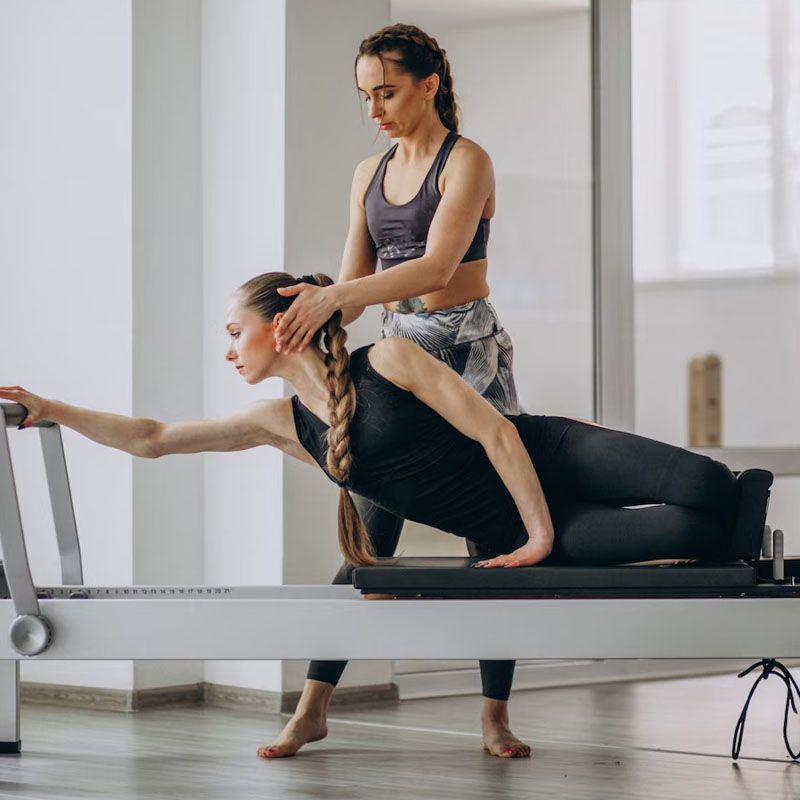
hard to get started
Because it is a small muscle group training, in fact, the threshold is relatively high, without any sports foundation directly on the hand, or more painful. But if you find a good coach, is able to have a great improvement in the short term, this depends on luck, after all, this market, mixed, what people have!
Easy to fall into misconceptions
For example, wanting to lose ten pounds in a month, going to Pilates, or desiring to have a speedy peach butt in three months …… These are all concepts that Internet marketing has instilled in people. My friends complimented me on my figure and said I had great hips and legs, and asked me if I was born with them, and I said, “I do have okay proportions, but I’ve been practicing for more than three years, ah, and wanting good-looking hips and legs is measured in years. But when I first started exercising, I thought I could have my body in a year. I don’t blame everyone, it’s just human nature!
conclude
Pilates is a high-end exercise that emphasizes physical and mental coordination and small muscle group exercise, suitable for modern people but with a high threshold. Beginners often feel that the exercises are not in place due to poor proprioception, short years of training and lack of strength training foundation. Correct practice requires patience and sustained effort to avoid misunderstanding and blind pursuit of quick results.
And Pilates courses are expensive and difficult to learn, you need to find a good instructor to guide. The effect of exercise needs time to accumulate, do not rush to get results. Before choosing Pilates, you need to assess your own conditions and financial ability, do not blindly follow the trend.